The research will provide the most comprehensive analysis of the role state and local government policies play on the economic growth and well-being of rural communities.
President Martha E. Pollack presented Charles F. “Chuck” Feeney ’56, Cornell’s most generous donor, with a lifetime achievement award named in his honor during a virtual ceremony April 30.
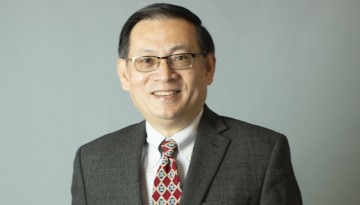
Shaoyi Jiang, Ph.D. ’93, the Robert S. Langer ’70 Family and Friends Professor in the Meinig School of Biomedical Engineering, discusses his research on functional zwitterionic materials for biomedical and engineering applications.
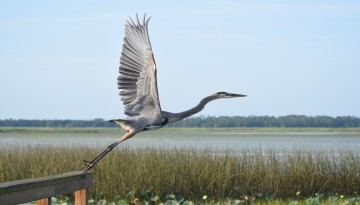
Hubert H. Humphrey Fellows from Cornell volunteered for conservation efforts at Montezuma National Wildlife Refuge in April as part of Earth Day activities.
A concept addressing unaffordable and unsustainable funeral practices won first prize at the 11th annual Cornell Hospitality Business Plan Competition, an entrepreneurship event awarding cash prizes for the top three pitches.
From flame wars on twitter to sleepless nights, four of the country’s leading science journalists spoke of the challenges they’ve faced covering the COVID-19 pandemic during an April 28 event hosted by the College of Arts & Sciences.
Long-time climber, Keith Liao, MBA ’19, is on a mission to build the first climbing gym of its kind in Tompkins County, and to grow a more inclusive climbing community in the region. Cayuga Climbs, a climbing gym dedicate to bouldering, is scheduled to open in May 2021 in Ithaca, New York.
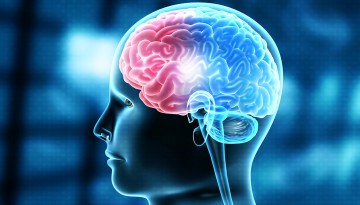
Weill Cornell Medicine researchers say the study’s findings suggest patients with brain bleeds should be screened more aggressively for problems related to clotting disorders.
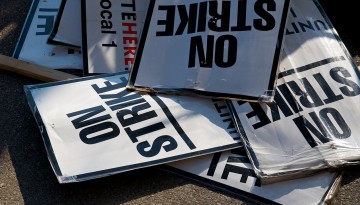
The Cornell ILR Labor Action Tracker, a new interactive map and database, captures an accurate picture of labor unrest across industries around the United States.