A Cornell multidisciplinary team devised a way to get a "time-lapse" look at the early formation of mesoporous silica nanoparticles, from six-sided crystals all the way to 12-sided quasicrystals.
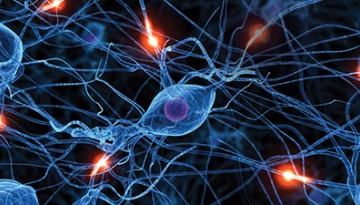
Ten new Mong Family Foundation Fellows in Neurotech will work jointly under the mentorship of Cornell faculty to advance technologies providing insight into how brains work.
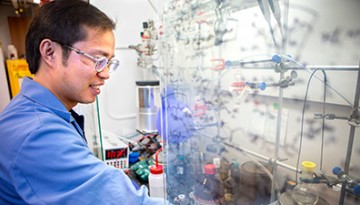
Give your medicine a jolt. By using a technique that combines electricity and chemistry, future pharmaceuticals soon may be easily scaled up to be manufactured in a more sustainable way.
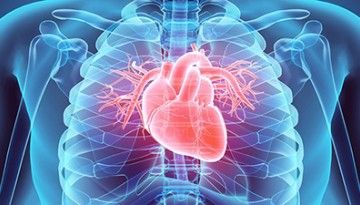
Jonathan Butcher, associate professor of biomedical engineering, and Chris Frendl, M.Eng. '11, have been awarded a patent for a method of "bio-hybridizing" implants such as prosthetic heart valves.
AguaClara, an Engineering Project Team that has built 14 gravity-powered surface water treatment facilities in Honduras over the last 12 years, has begun construction of its first plant in Nicaragua.
A five-year, $9 million grant from the National Science Foundation will create the Cornell Neurotechnology NeuroNex Hub to develop new tools for neuroscience.
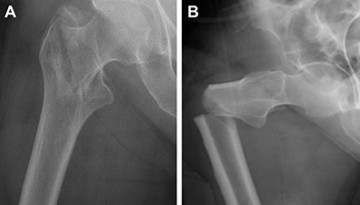
A research team led by Eve Donnelly, assistant professor in materials science and engineering, has published a study regarding a dangerous side effect of long-term use of bisphosphonates to treat osteoporosis.
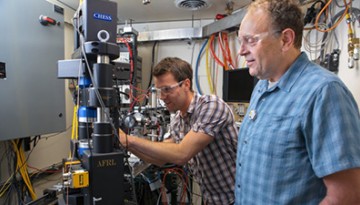
InSitu@CHESS, a program begun in 2014 by engineering professor Matt Miller, offers a way for industry and other labs to test materials using the high-energy X-rays of Cornell's synchrotron source.
What if by simply sequencing the genome of a cancer patient a doctor could determine which treatment would work best? New research from Yimon Aye's lab could make that approach a reality.