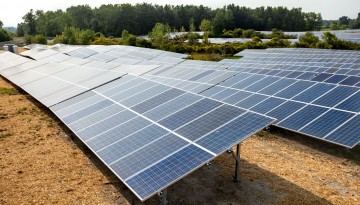
New York state farmers with solar leases say they’ll use the added revenue to invest in their farms, with many stating they don't plan to change their agricultural practices at all.
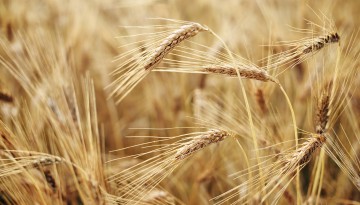
Growing climate-smart crops is half the battle. Consumers need to understand sustainability claims and, more importantly, be willing to pay a premium for them.
In a major expansion of its commitment to access and lifelong learning, Cornell will launch a part-time, fully online Bachelor of Professional Studies degree program in August 2027.
Cornell has earned the Carnegie Community Engagement Classification, a national designation recognizing universities with sustained, mutually beneficial community partnerships.
New York Attorney General Letitia James has directed $1.1 million to support the new Cornell College of Agriculture and Life Sciences New York Soil Health Climate Smart Agriculture Fund, aimed at working with farmers to promote healthy soils.
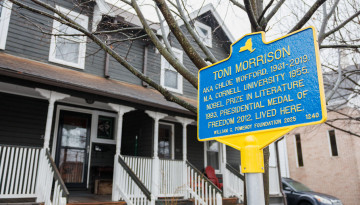
Cornell faculty, staff, students and community members celebrated the 95th birthday of Toni Morrison, M.A. ’55, by unveiling a new historical marker in front of 513 N. Albany St., where she lived while in graduate school.
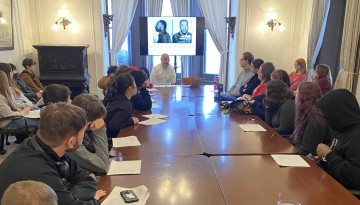
A grant from the Teagle Foundation will allow Cornell faculty and staff to launch a new civic education program for high school students, opening pathways to higher education.
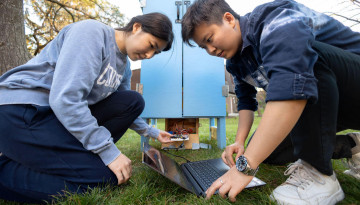
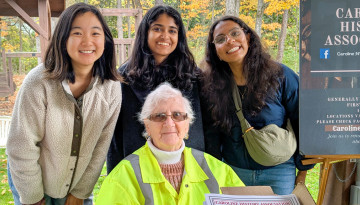
Cornell will honor longtime volunteer Beth Harrington on Feb. 5 for her work to make the Town of Caroline more resilient in the face of emergencies, with support from a team of graduate students.