Smoke dancers, American Sign Language poetry and explorations of endangered languages will highlight a series of events Oct. 15-Nov. 6 that celebrate the importance of language throughout U.S. history.
Private equity firms’ investment in home care agencies perpetuates poor working conditions for workers by continuing the exploitation that is prevalent across the industry, according to a new study from the ILR School’s Worker Institute.
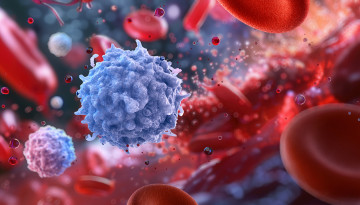
A new book, “Your Immune System,” written by Gary Koretzky ’78, vice provost for research and a professor emeritus of medicine at Weill Cornell Medicine, aims to demystify immunology for laypeople.
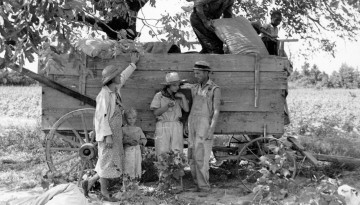
A Cornell University Library exhibit, “Weathering the Storm,” which examines the intersection of the environment, labor and workwear, opens Oct. 8 at the ILR School’s Catherwood Library.
A collaboration between the U.S. Forest Service and the Cornell SC Johnson College of Business aims to shape sustainable tourism development for Puerto Rico’s El Yunque National Forest.
Cornell Cooperative Extension has boosted its support for New York state agritourism as the industry has grown, with the number of participating farms nearly doubling and revenue tripling since 2007.
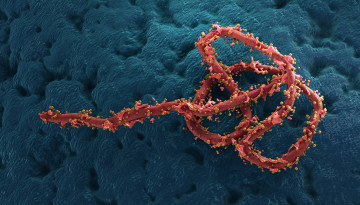
Cornell researchers have developed a portable diagnostic test that can simultaneously detect and distinguish Ebola and Lassa, two serious viruses whose early symptoms can be difficult to tell apart.