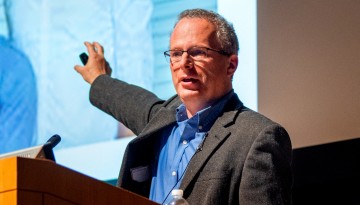
Improved mediation and curation could strengthen the search engines and social media platforms dominating today's information ecosystem, Northeastern University's David Lazer said Oct 24 during the Cornell Center for Social Sciences’ Distinguished Lecture in the Social Sciences.
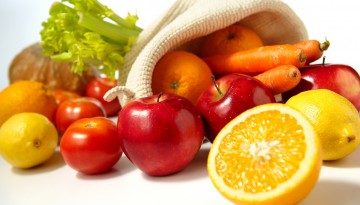
Consumers were more willing to buy unlabeled produce after being shown food tagged as “genetically modified” in a new Cornell study that comes two months before a new federal food-labeling law goes into effect.
College of Human Ecology faculty and staff gathered Oct. 16 for their annual Service Awards and Staff Recognition Ceremony, to honor staff who achieved milestones and to recognize those designated for their exceptional contributions to the college.
Female influencers on Instagram endure criticism and harassment both for being too honest about their lives and for seeming too fake, a new Cornell study has found.
Cornell’s sixth annual Community Development Institute brought together more than 125 experts in academia, government and community development to discuss solutions for dealing with “zombie homes” across New York state.
Research by a Cornell sociologist found that under conditions of perceived economic scarcity, white decision-makers began to see black individuals differently, an implicit shift linked to devaluation and discriminatory behavior.
Events this week include “War and Peace” on film; the Lorelei Ensemble in Bailey Hall; a ceremony hosted by Hindu students and a reading by Desiree Cooper.
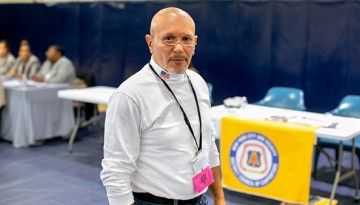
Twelve employers, along with a former inmate now working as a union carpentry representative, met with 78 incarcerated men Oct. 4 at the Queensboro Correctional Facility in New York City.