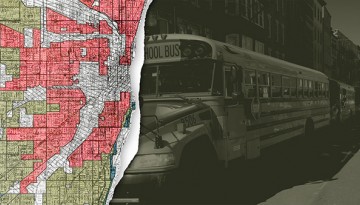
The College of Arts and Sciences’ yearlong webinar series, “Racism in America,” will examine past and present impacts of racism on education and housing in its next webinar, “Education and Housing,” Nov. 19 at 7 p.m.
In five decades of teaching and research, Don Greenberg ’55 has won many prestigious computer graphics awards, while focusing on the skills architecture students need to keep pace.
Despite the challenges of the pandemic, the Cornell community continues to pursue its mission and to thrive, President Martha E. Pollack said Oct. 20 in her fourth annual address to staff.
The Office of Engagement Initiatives recently awarded Engaged Curriculum Grants to 19 teams of faculty and community partners that are developing community-engaged learning courses, majors and minors across the university.
In his new book “Life, Death and Other Inconvenient Truths: A Realist’s View of the Human Condition,” Shimon Edelman offers a reference guide to human nature and human experience.
The University Assembly (UA) is requesting feedback from the Cornell community on proposed revisions to a new Student Code of Conduct. The deadline for submitting feedback is Nov. 17.
Baobao Zhang’s three-year Klarman Postdoctoral Fellowship in the College of Arts and Sciences is an opportunity to research technology policy, particularly on the governance of emerging technologies such as AI.
Equipped with Zoom rooms and social distancing tools in the age of COVID-19, a group of students is demystifying the mechanics of voter registration and casting a ballot.
Beginning this fall, the Office of Engagement Initiatives is collaborating with individual colleges and schools that want to make community-engaged learning a key part of their curricular, co-curricular and research programs.