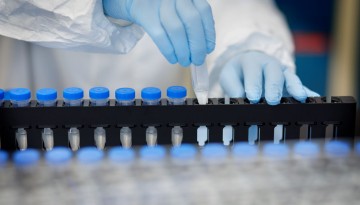
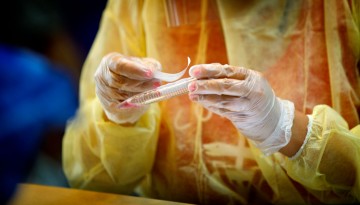
The aggressive approach, which supplements other campus efforts to slow the virus’s spread, expands testing to those who may not meet the definition of a close contact.
An interdisciplinary team of Cornell researchers has been awarded a grant from the National Science Foundation to develop technological tools to ease the burdens on home health aides.
Weill Cornell Medicine’s Clinical and Translational Science Center has been awarded a two-year, $1.5 million NIH grant to investigate how social and biological factors help determine COVID-19 outcomes in New York City patients.
Tests to date of more than 4,000 students, faculty and staff show a very low prevalence of COVID-19 as Cornell prepares to test thousands of returning students.
Dr. Sallie Permar and Dr. Stephen Patrick have been jointly awarded Weill Cornell Medicine's fifth annual Gale and Ira Drukier Prize in Children’s Health Research.
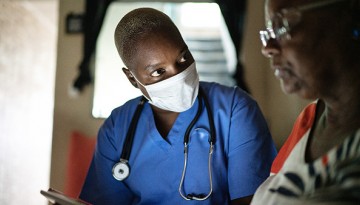
Home health care workers in New York City faced increased risks to their physical, mental and financial well-being while providing essential care to patients early in the COVID-19 pandemic, according to researchers.
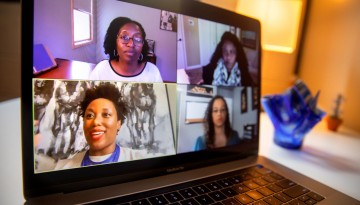
“Systemic Racism and Health Equity,” a webinar hosted July 23 by the Cornell Center for Health Equity, featured insights from three expert panelists and moderator Jamila Michener, associate professor of government and center co-director.
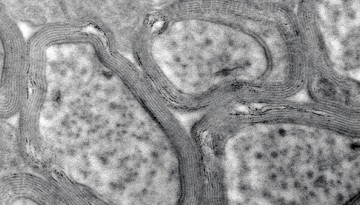
Fenghua Hu is researching factors that cause Alzheimer’s and similar diseases. Her new study shows the role that one particular gene plays in protecting the central nervous system via the formation and maintenance of the myelin sheath.
Cornell Atkinson has awarded seven Academic Venture Fund seed grants, totaling $1.1 million, for projects that engage faculty from eight Cornell colleges and 16 academic departments.