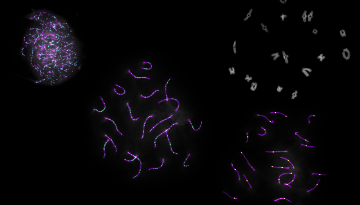
A Cornell-led study is challenging a decades-old explanation for how chromosomes exchange genetic material within the biological process that forms eggs and sperm in mammals.
The Cornell Climate Stewards program gives New York state residents the tools and confidence to address the impacts of climate change in their communities.
China’s Scientific Outlook on Development program, which tied local leaders’ job performance evaluations to environmental quality improvements, had negative impacts on the country's agricultural economy, researchers found.
Online content creator burnout is, in part, “unspeakable” – a product of a confluence of factors, including the informal nature of platform labor and the privileged status of creative work, seen by many as a “dream job.”
Tree swallows in the northern U.S. and Canada face the greatest risk from climate change despite responding to temperature the same way as tree swallows in the southern U.S.
An artificial intelligence system that operates like a collaborative team of medical experts could accelerate clinical trial design, one of the most difficult steps in drug development.
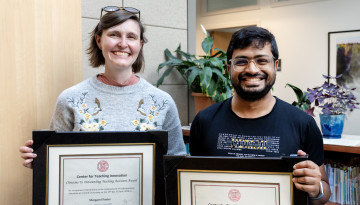
This year's University-Wide graduate teaching conference celebrated excellence in teaching, recognizing Margaret Foster and Naman Agrawal with the Cornelia Ye and Christine Ye Awards for Outstanding Teaching Assistance.
More than 1,000 employees across campus gathered for an appreciation luncheon hosted by the Division of Human Resources and the Office of the President.
Training artificial intelligence to enforce even seemingly straightforward rules – like balls and strikes in Major League Baseball – is a messy, dynamic process that takes time and careful evaluation of the technology.
A two-semester collaboration between the Cornell AI Innovation Hub, graduate students and the Cornell Treasury Operations team transformed a time‑consuming, manual investigation process into a tool that helps staff process cryptic payments.