Faculty, students and alumni affiliated with Cornell Law School's Capital Punishment Clinic are leading a legal fight to prevent South Carolina from executing condemned prisoners by methods they argue are cruel and unusual.
Happiness can’t be bought, but nor does it depend mostly on one’s mindset, as many happiness surveys would suggest, according to a recent study by Cornell psychology researchers.
A treatment combining two antibodies against the coronavirus SARS-CoV-2 strongly protected high-risk people with early COVID-19 symptoms from hospitalization and death in an international Phase 2/3 clinical trial.
The Cornell Center for Health Equity has launched its racial allyship training course, providing anyone who wants to learn to be a better ally with essential skills and tools they can use in their personal and professional lives.
Researchers have identified blood biomarkers that could help pediatricians quickly diagnose severe cases of COVID-19 as well as multisystem inflammatory syndrome, also known as MIS-C, which emerged during the pandemic.
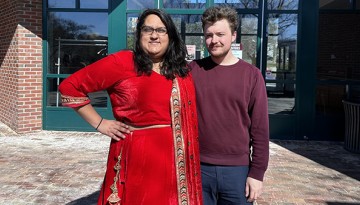
Hear two perspectives on racism and xenophobia in U.S. refugee policy at the annual Koen-Horowitz Lecture on Wednesday, April 26. The keynote speakers include a prominent attorney and an author who is a refugee.
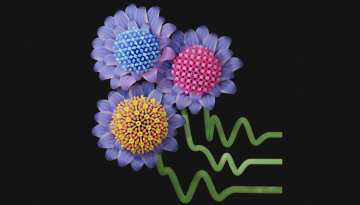
Using a computational approach, material scientists at Cornell have found more than 20 new self-assembled crystal structures, which could serve as nanoparticle or colloid design targets for other researchers.
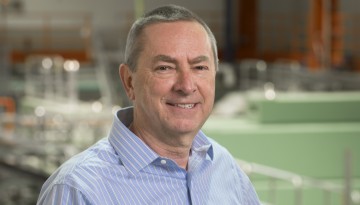
Nigel Lockyer, an accomplished physicist and laboratory leader, has been selected as the new director at the Cornell Laboratory for Accelerator-based Sciences and Education (CLASSE). Lockyer comes to Cornell with a wealth of experience in physics and accelerator sciences, having most recently served as the director of the Fermi National Accelerator Lab (Fermilab).
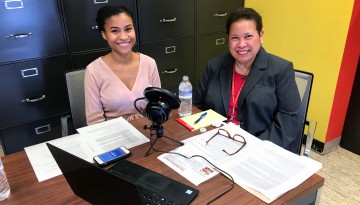
Pauline Flaum-Dunoyer has interviewed more than a dozen women physicians of color, and donated the recordings and transcripts to NewYork-Presbyterian/Weill Cornell Medicine, where their legacies will be preserved for future generations.
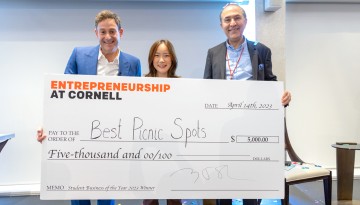
Barry Beck ’90, founder of luxury beauty brand Bluemercury, was on campus April 14, at the Entrepreneurship at Cornell Celebration lunch honoring him as the 2023 Cornell Entrepreneur of the Year.