Zinc deficiency is prevalent around the world, and among children, these mineral shortfalls can lead to stunting, embryonic malformations and neurobehavioral abnormalities.
Three Pulitzer Prize-winning reporters and authors will be on campus Dec. 1 to talk about their work covering immigration, an event hosted by the Distinguished Visiting Journalist program in the College of Arts & Sciences.
The Cornell Center for Social Sciences grant program, which supports social science research by Cornell faculty members and conferences that directly benefit Cornell faculty and students, has awarded $145,136 for 15 proposals for fall 2021.
The research finds peer education, boosting workers’ leadership skills and cultivating relationships of trust while confronting sexual harassment can shift workplace culture.
The simple technique was associated with a 56% reduction in irregular heart rhythm that can lead to stroke, with no added risks, according to a Weill Cornell Medicine study.
ILR Assistant Professor Desiree LeClercq argues that, while it will be difficult, international organizations must regain control over the enforcement of international law.
The generosity of an alumna, along with a major infusion of funding from the Office of the Provost, has turbocharged Cornell’s ability to turn promising academic research into viable startups and products.
How has Zoom changed dispute resolution practices during the pandemic? How will the arbitration and mediation profession be diversified? Early survey results on an ILR School poll are expected in December.
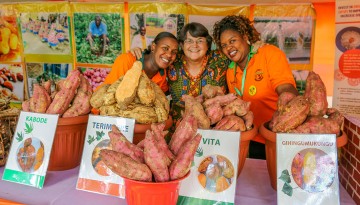
Jan Low, M.S. ’85, Ph.D. ’94, an agricultural economist whose work integrating agriculture and nutrition has improved the health of millions worldwide, has joined Cornell’s Department of Global Development.
The university has done much more than just stay open, President Martha E. Pollack said Nov. 12 during her fifth annual address to staff, hosted by the Employee Assembly. Pollack offered special thanks to the Cornell University Police Department for its responses to recent events on campus.
The Quechua language returned to Cornell’s curriculum this fall after a 15-year hiatus, thanks to a group of students who organized to bring it back and an instructor who traveled to Ithaca from her home in the Andean highlands of Ecuador.