Benjamin Houlton, director of the John Muir Institute of the Environment and professor of global environmental studies at the University of California, Davis, has been named the Ronald P. Lynch Dean, effective Oct. 1.
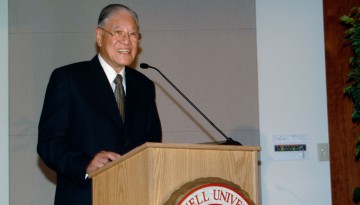
Lee Teng-hui, Ph.D. ’68, the first popularly elected president of Taiwan, who helped guide the island toward prosperity and democracy, died July 30 in Taipei. He was 97.
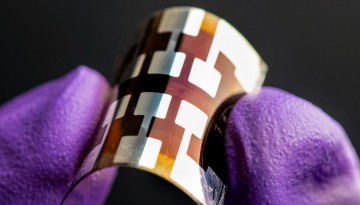
When it comes to the future of solar energy cells, say farewell to silicon, and hello to calcium titanium oxide – the compound mineral better known as perovskite.
As planning for a fall residential college experience on the Ithaca continues, Cornell has made changes to plans and deadlines given the growing number of students affected by the New York state quarantine mandate.
Virtual events at Cornell include a lecture on challenges endangering freshwater fish, an conference on worker and community concerns in safely returning to work in New York City, an international linguistics meeting and an introduction to religious and spiritual life on campus.
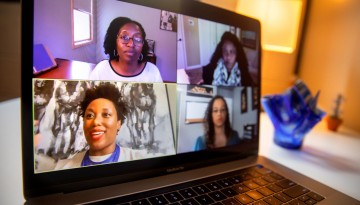
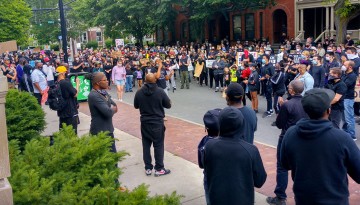
“Systemic Racism and Health Equity,” a webinar hosted July 23 by the Cornell Center for Health Equity, featured insights from three expert panelists and moderator Jamila Michener, associate professor of government and center co-director.
The Rural Humanities initiative has chosen “Rural Black Lives” as its theme for 2020-21, and its projects and programming will concentrate on the visibility of Black lives in rural central and western New York state.
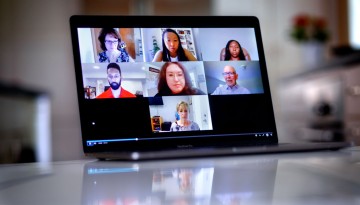
Cornell administrators presented updates on the university’s fall reactivation plans and answered a variety of submitted questions during a July 28 virtual open forum sponsored by the Employee Assembly.
Herpetologist Harry Greene and evolutionary biologist Kelly Zamudio have an unexpected opportunity during the COVID-19 pandemic to “rewild” their newly purchased land in Texas, restoring its diverse, biological richness.
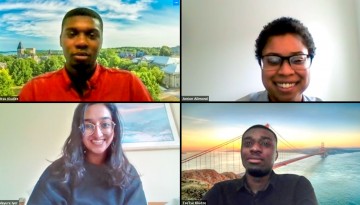
Cornell’s McNair Scholars shared their stories of academic excellence July 21-24, as they paid virtual visits to the offices of U.S. senators and representatives to advocate for more higher-education funding for first-generation and low-income students.
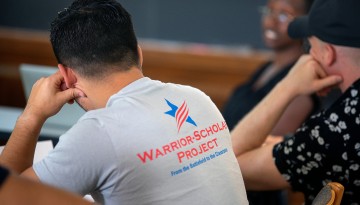
The Warrior-Scholar Project offered seminars taught by Cornell faculty and writing instruction July 19-24 in an immersive summer college prep experience for 10 currently enlisted and former service members.