Cornell researchers are working with Head Start Centers and day schools in New York City on early intervention to promote development of spatial skills and language acquisition in preschoolers.
A five-year, $9 million grant from the National Science Foundation will create the Cornell Neurotechnology NeuroNex Hub to develop new tools for neuroscience.
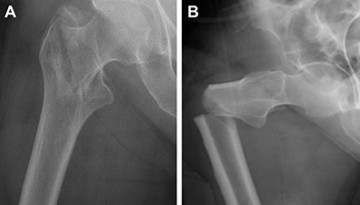
A research team led by Eve Donnelly, assistant professor in materials science and engineering, has published a study regarding a dangerous side effect of long-term use of bisphosphonates to treat osteoporosis.
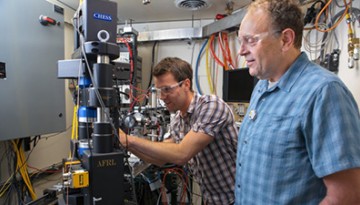
InSitu@CHESS, a program begun in 2014 by engineering professor Matt Miller, offers a way for industry and other labs to test materials using the high-energy X-rays of Cornell's synchrotron source.
In a new opinion piece in a major publication, Morten Christiansen, professor of psychology, calls for a new era of integration in the language sciences, which has fragmented into many highly-specialized areas of study.
Six students are researching fencing, teaching English, exploring how regions recover from natural disasters, and immersing themselves in Asian languages, thanks to grants from the Department of Asian Studies in the College of Arts and Sciences.
Cornell’s Climate Smart Farming program has added a fifth online tool – the New York State/Northeast Drought Atlas – to help regional farmers cope with an era of global warming.
Dean Ritter led 15 veterans and reservists participating in the 2017 Cornell Warrior-Scholar Project through a discussion of the Declaration of Independence.
What if by simply sequencing the genome of a cancer patient a doctor could determine which treatment would work best? New research from Yimon Aye's lab could make that approach a reality.
By learning how an immune cell called Tr1 works in the body, researchers hope to one day harness the cells to better treat allergies and infections, according to new Cornell research.
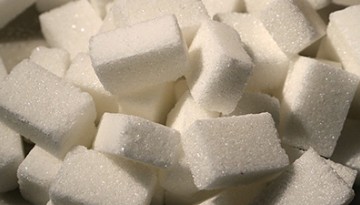
Cornell food scientists have found that people with a diminished ability to taste food choose sweeter – and likely higher calorie – fare. This could put people on the path to gaining weight.
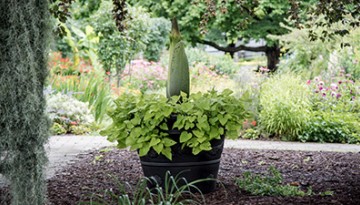
One of Cornell’s Titan arums – a rare plant also known as a corpse flower for the deathly odor it produces at flowering – has broken dormancy and is preparing to bloom this summer on campus.