Anti-fandom in the world of social media influencers can serve a social function by allowing people to critique norm transgressions, but it can also be a destructive force, a Cornell-led research team proposes.
The awards are based on nominations from students, faculty and staff, and the recommendations of a selection committee. The recognition comes with a $15,000 prize to be used for research, scholarship and other activities at Cornell.
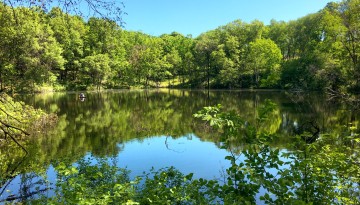
Nearly everyone can identify a pond, but what, exactly, distinguishes it from a lake or a wetland? A new study co-led by Cornell offers the first data-driven, functional definition of a pond and evidence of ponds’ distinct ecological function, which could have broad implications for science and policy.
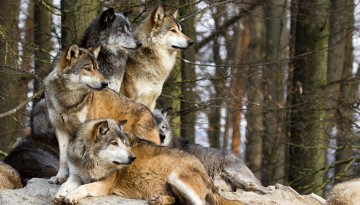
Re-introducing wolves and other predators to landscapes does not miraculously reduce deer populations, restore degraded ecosystems or threaten livestock, according to a new study.
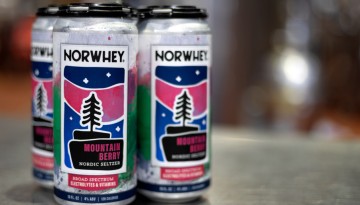
The brand is a triple threat: it’s an alcoholic beverage with a better nutritional profile, it’s made from material that would otherwise go to waste – and it could eventually act as a model for dairy farmers looking for additional revenue.
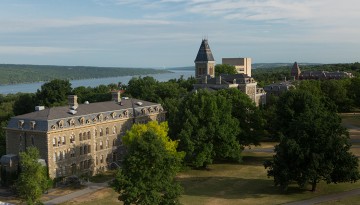
The gorges on Cornell’s campus are part of its iconic beauty, and generations of Cornellians have been inspired by hiking through them – but their beauty can belie their potential danger.
Activities beyond campus – such as business air travel, student commutes and purchases like lab equipment – account for more than 60% of Cornell’s carbon emissions, according to a new analysis.
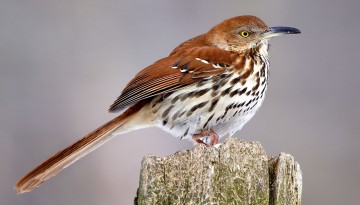
The free machine-learning powered tool can identify more than 3,000 birds by sound alone, generates reliable scientific data and makes it easier for people to contribute citizen-science data on birds by simply recording sounds.