Sixteen Cornell doctoral students will collaborate with community partners from Ithaca to India on research projects supported by 2017 Engaged Graduate Student Grants.
Mary X. Mitchell, a historian of science and technology and a postdoctoral fellow, describes how a former nuclear test site became a proving ground for a new legal definition of environmental impact.
Ninety-eight Cornell graduate and professional students will travel to 47 countries over the next year with support from the Einaudi Center's International Travel Grant Program.
Nearly 70 government, nonprofit and university representatives met April 7 in Ithaca to discuss some of their more prevalent town-gown concerns and the ways colleges and universities can collaborate with local officials.
A makeathon to develop affordable assistive technology for people with disabilities, sponsored by Cornell, will be held April 21-23 at the Brooklyn Navy Yard.
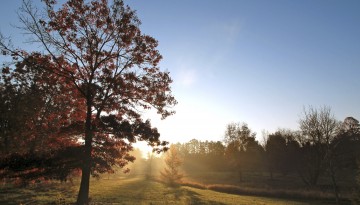
Cascadilla and Fall Creek Gorges, Beebe Lake, Comstock Knoll, F.R. Newman Arboretum, the Robison York State Herb Garden and Mundy Wildflower Garden – these are just a few of the iconic landscapes that distinguish the campus and are treasured by Cornellians and Ithacans alike.
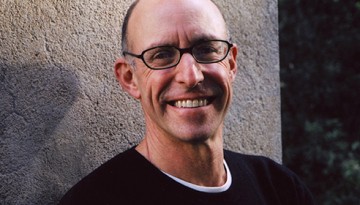
Michael Pollan, environmentalist and best-selling author, speaks on "Out of the Garden" at the 2017 Iscol Distinguished Environmental Lecture on April 27, in Call Auditorium, Kennedy Hall.
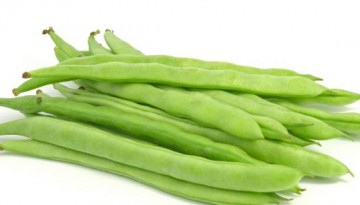
A project led by a College of Agriculture and Life Sciences researcher is aimed at reducing losses in this important crop by optimizing disease control for the fungus.
April is Sustainability Month at Cornell, and the campus will bloom with exhibits, lectures, a bike rally, a fun run, environmental fashion and learning how to keep this blue planet green.