David Archambault II, chairman of Standing Rock Sioux Nation, spoke on campus Feb. 16 as part of the College of Agriculture and Life Sciences' Department of Natural Resources seminar series.
Lynn Perry Wooten, a senior associate dean and business school professor at the University of Michigan, has been chosen as dean of the Charles H. Dyson School of Applied Economics and Management.
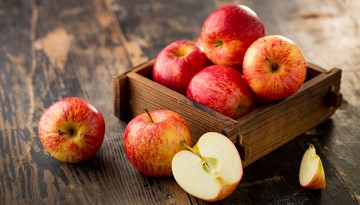
This February's warm weather is nice in the Northeast, but apple farmers may pay a price if winter roars back. To help growers assess temperatures, Cornell has developed a new Apple Freeze Risk tool.
Ten students from across Cornell spent two weeks of their winter break on a journey through Vietnam, listening to farmers and community members and seeing the effects of climate change firsthand.
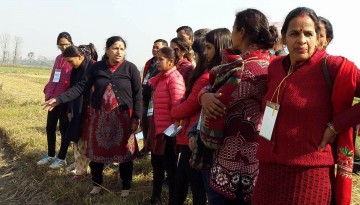
More than 200 farmers, representatives from Cornell's Delivering Genetic Gain in Wheat project and the Nepal government gathered for the inauguration of the Seed Systems for Nepal initiative Jan. 23.
To help Fijian scientists track oceanic climate change for their islands in the sun, Cornell's Bruce Monger unveils eyes in the sky: satellite remote sensing.
Students and faculty gathered to discuss immigration policy Feb. 15, particularly the travel ban prohibiting people from seven Muslim-majority countries from coming to the United States for 90 days.
Salmonella food poisoning wallops you for several days, but new research by Cornell food scientists indicates that some of its serotypes – variations of the bacterial species – can have permanent repercussions. It may damage your DNA.