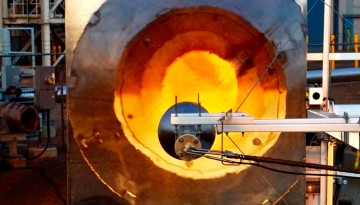
Dimensional Energy – a McGovern Center startup that converts carbon dioxide via sunshine into eco-friendly aviation fuel – is a finalist for the $20 million Carbon X Prize.
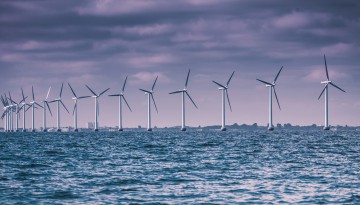
Cornell wind energy scientists have released a new global wind atlas – a digital compendium filled with documented extreme wind speeds – to improve turbine placement.
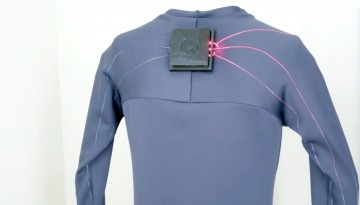
Organic Robotics Corporation, a Cornell engineering startup founded in 2018, is in the finals the sixth annual NFL 1st & Future competition, airing Feb. 2 at 8 p.m. EST on the NFL Network.
Professor Iwijn De Vlaminck is working on using cell-free DNA – discarded scraps of DNA – as a way of gaining understanding of COVID-19’s effects on the organs of children who've been exposed to the SARS-CoV-2 virus.
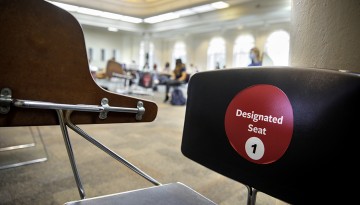
As the spring semester begins, a team of engineering students and faculty has finished tweaking the master schedule, using lessons they learned last fall during their heroic effort to help Cornell safely hold in-person classes.
A Cornell-led collaboration has developed a noninvasive blood test that uses cell-free DNA to gauge the damage that COVID-19 inflicts on cells, tissues and organs, and could help aid in the development of new therapies.
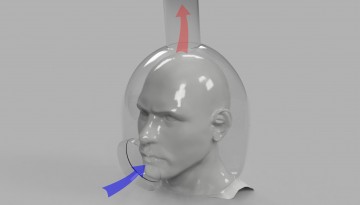
Simulations show the helmet, designed by the Esmaily Lab, prevents 99.6% of virus-containing droplets exhaled by medical patients from reaching the environment.
A Cornell engineer is advancing the field of ‘multi-sector dynamics’ with a new $1.4 million grant from the U.S. Department of Energy that will focus on techniques for better projecting the outcomes of human interactions with the natural world.
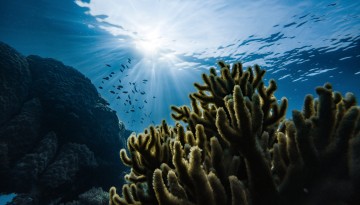
Attracting more than 1,000 students every fall, Intro to Oceanography is the largest course at Cornell. When Senior Lecturer Bruce Monger started recording the lectures for remote teaching, he partnered with eCornell and ended up developing a publicly accessible oceanography and climate sustainability course too.