Dr. Sallie Permar and Dr. Stephen Patrick have been jointly awarded Weill Cornell Medicine's fifth annual Gale and Ira Drukier Prize in Children’s Health Research.
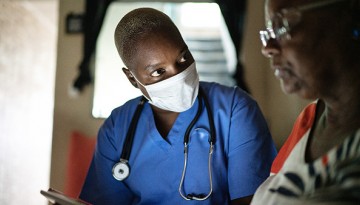
Home health care workers in New York City faced increased risks to their physical, mental and financial well-being while providing essential care to patients early in the COVID-19 pandemic, according to researchers.
The Cornell Veterinary Biobank has received a $2.5 million federal grant to process, store and distribute biological samples for the Dog Aging Project, a massive national effort to study aging in dogs – and humans.
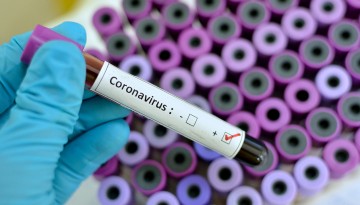
The university launched its COVID-19 testing program for students July 16 as part of a multipronged public health effort. The initial focus is “arrival testing,” in which students are tested upon their return to the Ithaca area.
What can faculty, students and community members be doing in response to institutional racism and its role in shaping health equity? A webinar organized by the Cornell Center for Health Equity will examine this question.
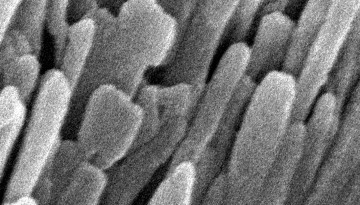
A collaboration between researchers from Cornell, Northwestern University and University of Virgina combined complementary imaging techniques to explore the atomic structure of human enamel, exposing tiny chemical flaws in the fundamental building blocks of our teeth.
A multidisciplinary, Cornell-led team of scientists will study how plant pathogens that travel the globe with dust particles might put crops at risk, especially in places where people struggle to eat.