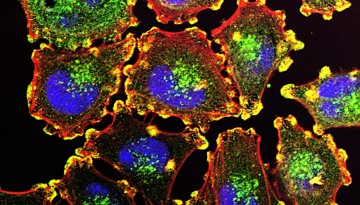
A team of Weill Cornell Medicine investigators has developed a computer model that will help scientists more efficiently develop protein-destroying therapies, a newer type of treatment that is particularly promising for cancer.
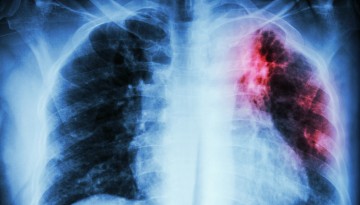
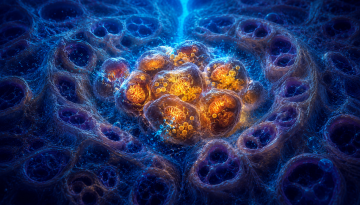
Tuberculosis bacteria released into the air from infected individuals dry out to form infectious particles that are second only to measles in contagiousness, Weill Cornell Medicine investigators have found.
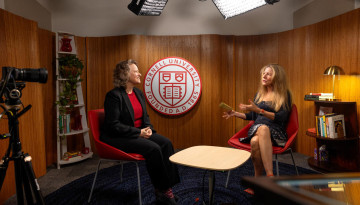
The second season of Research Matters, a Cornell video podcast, drops today, with a way-too-relevant episode on why we don't always do the things we know we should.
Cornell researchers successfully ramped up the body’s own immune response to fight melanoma at the tail end of a targeted cancer therapy, when tumors commonly become resistant to these treatments.
Prostate tumors can rewire amino acid metabolism to override the normal brakes on cholesterol production, a process that may fuel hormone therapy resistance, according to Weill Cornell Medicine researchers.
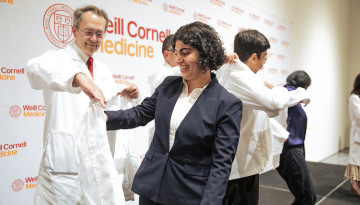
Weill Cornell Medicine celebrated the incoming physician assistant students in the Class of 2028 and first-year medical students in the Class of 2030 Aug. 18 during two White Coat Ceremonies.