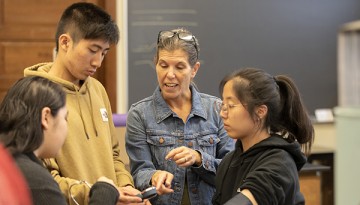
The faculty recipients of the 2021 Innovative Teaching and Learning Awards will use grants of up to $20,000 to explore new teaching technologies and strategies to enhance the student learning environment across campus.
Registration is now open for Cornell's Winter Session 2022. You can choose from a wide range of online courses taught by Cornell faculty during the three-week period from Jan. 3-21. Enrollment is open to anyone interested in taking a class—from undergrads and high school students to alumni and any motivated adult.
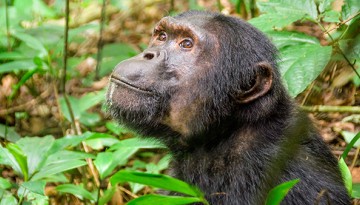
When an asteroid struck 66 million years ago and wiped out most dinosaurs and three-quarters of life on Earth, early ancestors of primates and marsupials were among the only tree-dwelling (arboreal) mammals that survived, according to a new study.
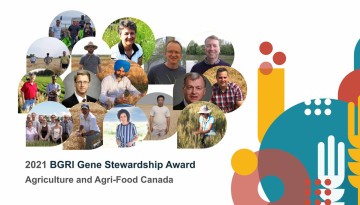
The rust-resistant wheat cultivar development team at Agriculture and Agri-Food Canada (AAFC) earned the Borlaug Global Rust Initiative (BGRI) 2021 Gene Stewardship Award for their long-standing innovations and strategies to…
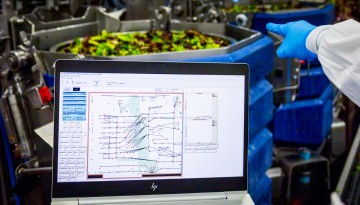
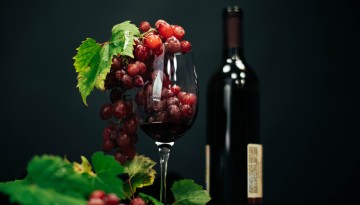
Cornell food scientists now show that the leftover pulp from the red wine making process has the potential to be a nutritive, illness-reducing treasure.
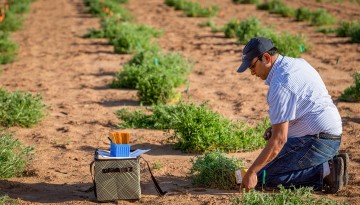
A Cornell-led national network of scientists and farmers is developing new varieties of cover crops with sustainable benefits that are better adapted to local regions and stressors.
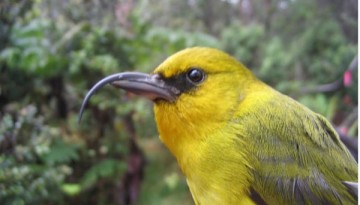
On the island of Kaua‘i, six native bird species recently experienced collapses coinciding with a sharp increase in mosquitoes and malaria. Dr. Katherine McClure is working to save Hawai’i’s native bird populations from this disease, specifically the Hawaiian honeycreepers.