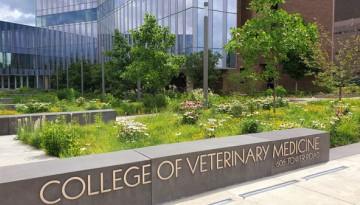
In recognition of their leadership and impact in the field of large animal surgery, Drs. Susan Fubini and Norm Ducharme have been honored by the American College of Veterinary Surgeons.
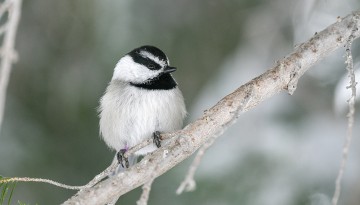
For the first time, researchers have shown that there is a genetic component underlying the amazing spatial memories of mountain chickadees, which hide thousands of food items every fall and rely on these hidden stores to get through harsh winters.
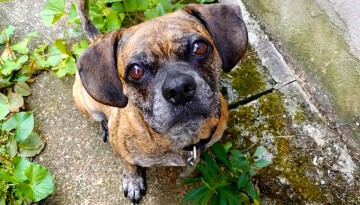
Indy, a puggle-Boston terrier mix, has been treated with different chemotherapies five times and gone into remission each time at the College for Veterinary Medicine.
The CCAT-prime telescope project – being developed by an international consortium of universities, led by Cornell – has been awarded $1.3 million by the National Science Foundation.
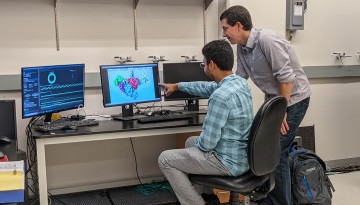
The new findings published in Science capture never-before-recorded stages of a molecular construction process, with implications for future pharmaceutical development.
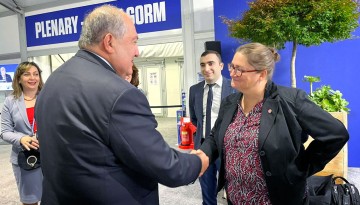
Working with the Armenian delegation at COP26, Allison Chatrchyan aims to shape U.N. agriculture policy to reduce greenhouse gas emissions and increase carbon sequestration.
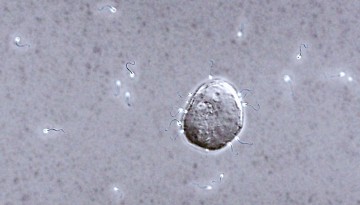
A new study by Cornell researchers reveals how sperm change their swimming patterns to navigate to the egg, shifting from a symmetrical motion that moves the sperm in a straight path to an asymmetrical one that promotes more circular swimming.
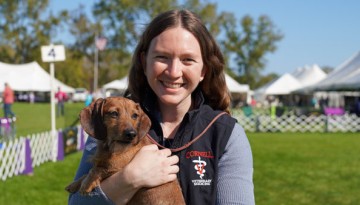
The Wine Country Circuit is one of the largest dog show circuits in the country and a unique learning opportunity for Cornell veterinary students, who shadowed mentors, exhibitors and field veterinarians Oct. 2.
The Nexus Scholars program, funded by nearly $5 million in philanthropic support, will help undergraduates working on research projects with faculty members over the summer.