Researchers at the College of Veterinary Medicine and the Baker Institute of Animal Health have documented the first molecular characterization of Marfan syndrome, a rare inherited disorder that weakens connective tissues, in domestic cats.
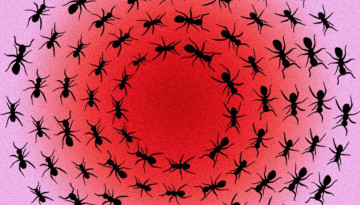
Study reveals how a few very general constraints can lead to echo chambers – self-reinforcing feedback loops – in biological systems such as birds in a flock, cells in tissue or ants in a swarm.
At the Center for Teaching Innovation’s Sept. 30 “What Works” event, Cornell faculty presenters and attendees will share ideas, inspirations, challenges and experiences about how to build a classroom where students feel connected and empowered.
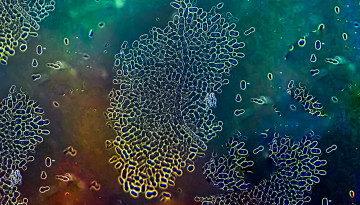
Fungal diseases can contribute up to 20% of staple crop losses and drug-resistant fungal infections lead to some 3.8 million human deaths, globally per year.
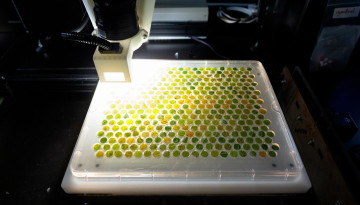
The cutting-edge imaging platform observes microscopic traits in plants and can detect grape diseases that cost vineyard owners billions in annual losses globally.
An innovative major in the College of Arts & Sciences is being expanded and refined to highlight its combination of science, social science and the humanities and its relevance to careers today.
Life Science Core Day, taking place Sept. 22, offers Cornell researchers a chance to explore an extraordinary range of specialized life science core facilities, technologies, and expertise available to them from across campus in one place.
Twenty new faculty have joined the College of Arts & Sciences this year, strengtheningdepartments and programs with their wide-ranging expertise and filling numerous leadershiproles for the College and university.
Researchers will be able to track the brainwaves of animals as they move in natural habitats and interact with each other – complex behaviors that have been impossible to study in the lab.