Cornell's new faculty fellowship in fisheries and aquatic sciences named for Dwight A. Webster, the professor of Fishery Biology who laid the groundwork for the Adirondack Fishery Research Program.
2015 Nobel Prize winner Svetlana Alexievich spoke at Statler Auditorium on Sept. 12 about her nonfiction techniques to capture many people's voices to produce historical narratives.
Twelve faculty members from seven departments have been named Engaged Cornell Faculty Fellows for 2016–17. The program supports faculty who do community-engaged teaching or research.
Cornell's Homecoming 2016, Sept. 23-24, will start with a bang – the popular fireworks and laser light show – and continue through a weekend of fun events for the university and area communities.
Professor Marilyn Migiel has studied the 14th-century Italian author Giovanni Boccaccio for years. Her newest book explores how one of Boccaccio's most famous works challenges readers to think.
Faculty, undergraduate students, graduate and professional students, and staff members are all represented and have a voice in university concerns through Cornell's shared governance system.
Shattering a cornerstone concept in linguistics, an analysis of more than two-thirds of the world’s languages shows humans tend to make the same sounds for common objects and ideas, no matter what language they’re speaking.
Jorge "Popmaster Fabel" Pabon led the first of five workshops this semester at the Schwartz Center in the popping style he’s famous for, electric boogaloo.
Cornell has retained its leading positions in the annual survey ranking top architecture programs, “America's Best Architecture and Design Schools 2017.”
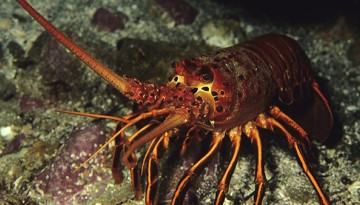
With a warming ocean along the coasts of the United States, many well-known marine species – important culturally and economically – face a uncertain future, according to a new Cornell study in Oceanography.