On June 30, dairy industry leaders from New York state toured the Cornell University Ruminant Center, a one-of-a-kind testbed for new technologies and strategies and a crucial resource for the state's dairy farmers.
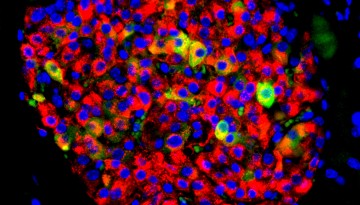
Eventual proof of a clear association between genes that express a salivary enzyme and Type 2 diabetes could lead to genetically testing people at birth to predict their susceptibility.
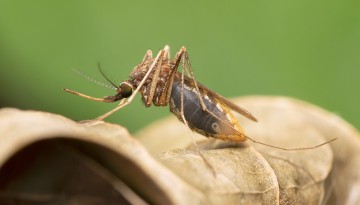
The threat of mosquito-borne diseases, which climate change is expected to exacerbate, highlights local politics’ pivotal and understudied role in public health.
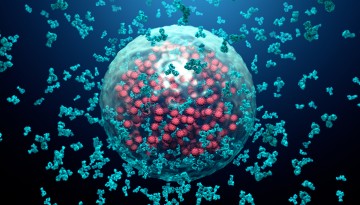
Cornell chemistry and chemical biology researchers have found a new and potentially more accurate way to see what proteins are doing inside living cells — using the cells’ own components as built-in sensors.
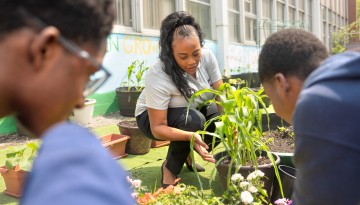
Cornell has received three grants from Interfaith America, a Chicago-based nonprofit that promotes bridge-building across religious and ideological divides.
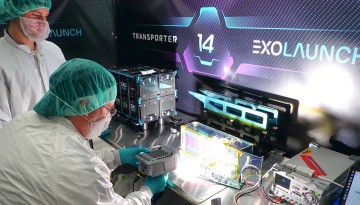
With support from Cornell’s research and testing facilities, deep-tech company AVS US – with facilities just outside Ithaca – successfully launched two spacecraft aboard a SpaceX Falcon 9 rocket on June 23
New estimates show most American grandchildren live close to a grandparent, with implications for how time and money are shared between generations and for families’ well-being.
People who are passionate about their work, but then become less engaged in it, may stay at the job due to an exaggerated fear that others will judge them harshly for quitting, but new research has revealed they may not be judged at all.