The inaugural Award for the Advancement of Science Communication as a Professional Field from the International Network on Public Communication of Science & Technology recognizes outstanding contributions to the development of science communication as a field.
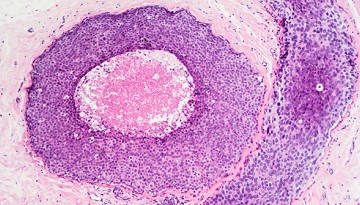
A clinical trial in patients with advanced breast cancer has found the use of liquid biopsy blood tests for early detection of a treatment-resistant mutation, followed by a new type of treatment, substantially extends the period of tumor control.
A project examining how to help companies hire neurodivergent people has received a termination order, halting work that could have helped autistic people find jobs and employers find talent.
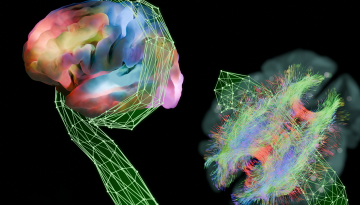
Using an algorithm they call the Krakencoder, researchers at Weill Cornell Medicine are a step closer to unraveling how the brain’s wiring supports the way we think and act.
Strogatz has been busy with outreach activities as the inaugural Susan and Barton Winokur Distinguished Professor for the Public Understanding of Science and Mathematics.
The honor is presented annually, recognizing awardees on campuses across the SUNY system for their commitment to sustaining intellectual vibrancy, advancing the boundaries of knowledge, providing the highest quality of instruction and serving the public good.
Gallox Semiconductors, a startup with Cornell Roots, won the 2025 Hello Tomorrow Global Challenge in the Advanced Computing & Electronics category. A member of the Praxis Center for Venture Development, Gallox is one of several semiconductor startups launched at Cornell.
Professor and ag economist Chris Wolf testified on why farmers are the nation’s oldest workforce and how to encourage younger people to work in agriculture.
Sorin Lerner, professor and chair of the Department of Computer Science and Engineering at the University of California, San Diego, has been named dean of the Cornell Ann S. Bowers College of Computing and Information Science.