Beginning Feb. 6 with the drop of the episode, “Extensions," the five-episode series features the voices and research of thirteen Cornell faculty members, more than half of them from A&S.
Across languages and cultures, parents simplify their speech in response to babies’ babbling and early speech, supporting language development, new Cornell research finds.
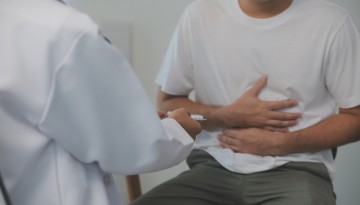
Almost 50 million Americans – disproportionately in rural areas – must drive 25 miles or more to access a gastroenterologist for diagnosis and treatment of issues involving the digestive system, according to a study from Weill Cornell Medicine researchers.
Marcus J. Molinaro, who served one term as representative for New York’s 19th congressional district, visited the Jeb E. Brooks School of Public Policy Jan. 31 as a guest lecturer in former U.S. Congressman Steve Israel’s course, Political Messaging and Public Policy.
The task force is charged with recommending a holistic framework - spanning academic, social, cultural and residential contexts - for addressing and preventing sexual assault on Ithaca's campus.
Marina Caillaud, a lecturer of entomology in the College of Agriculture and Life Sciences, and the Cornell Dyce Lab for Honey Bee Studies offer three ways to protect and maintain bee populations.
Anne Thompson, NBC News’ chief environmental affairs correspondent, has been named the spring 2025 Zubrow Distinguished Visiting Journalist in the College of Arts and Sciences.
Anne Meinig Smalling ’87, a third-generation Cornellian with deep ties to the university, was elected the 18th chair of the Cornell Board of Trustees during a special meeting on Feb. 4. She will begin a three-year term as chair on July 1, succeeding Kraig H. Kayser, MBA ’84.