A multidisciplinary task force of Cornell faculty and staff has issued a report offering perspectives and practical guidelines for the use of generative artificial intelligence in the practice and dissemination of Cornell’s academic research.
Cornell Cinema's spring semester film slate features a mix of contemporary and classic films selected to spark curiosity, inspire understanding, and advance teaching across disciplines. Weekly screenings will resume Jan. 25 in Willard Straight Theatre.
Deer hunters were more likely to be swayed by social media messages about the potential risks of chronic wasting disease if they came from a source they believed aligned with their own views and values.
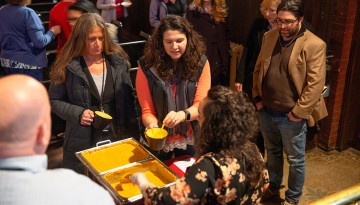
The 17th annual Soup & Hope speaker series returns to Sage Chapel on Jan. 25, featuring six Cornell staff, faculty and student storytellers sharing their experiences of overcoming life’s challenges while attendees enjoy a free meal of soup and bread.
A new study found that patients with non-small cell lung cancer treated with a combination of low-dose radiation and immunotherapy had higher progression-free survival compared to patients who received immunotherapy alone.
An alumnus-owned farm in Union Springs will become New York’s first commercial dairy to run cow manure through a kiln to make eco-friendly biochar – thanks to Cornell agricultural expertise.
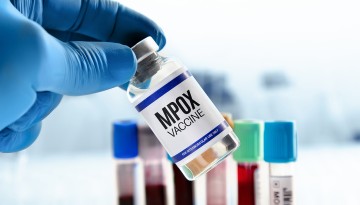
Openly gay men were more likely than those who conceal their sexual orientation to seek care for mpox last year during a global outbreak that disproportionately affected their community, researchers from Cornell and the University of Toronto found.
A consortium aiming to make New York a global leader in artificial intelligence would help Cornell play a role in shaping the future of AI, promote responsible research and development, create jobs and unlock opportunities focused on public good.
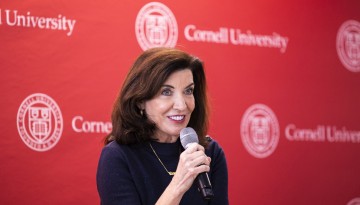
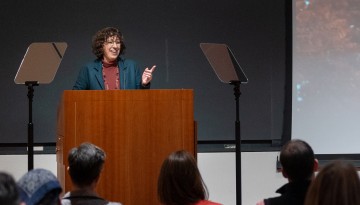
In her annual Address to Staff on Jan. 11 – Ezra Cornell’s 216th birthday – President Martha E. Pollack highlighted achievements that are helping to sustain and re-imagine the university’s founding “… any person … any study” vision.
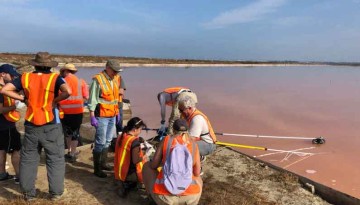
The research shows how changes in salinity may affect life in aquatic habitats on Earth and widens the possibilities for where life may be found throughout our solar system.