A Weill Cornell Medicine-led research team used an AI-based approach to uncover patterns among conditions in which people are born, grow, work and age, called social determinants of health, and then linked each pattern to children’s health outcomes.
Researchers from Weill Cornell Medicine have provided the first national estimate of caregivers’ pain and arthritis experiences that can limit their ability to perform necessary tasks while caring for older family members.
As journalists and professional fact-checkers struggle to keep up with the deluge of misinformation online, fact-checking sites that rely on loosely coordinated contributions from volunteers, such as Wikipedia, can help fill the gaps, Cornell research finds.
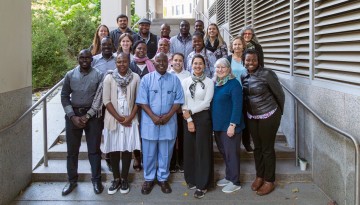
The Feed the Future Innovation Lab for Crop Improvement hosted global scholars for intensive training on plant breeding and social science at Cornell University in October.
The Consider Cornell programming series, created by the Graduate School Office of Access and Recruitment, seeks to provide guidance to prospective graduate students on the next step in their academic journeys.
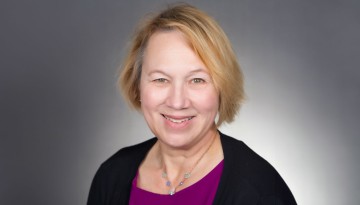
Cathy Garzio, a distinguished academic medicine administrator, has been appointed executive vice provost and chief operating officer of Weill Cornell Medicine, effective early February.
Five undergraduate students from across the country came to Cornell for a summer research experience with the Center for Research on Programmable Plant Systems (CROPPS).
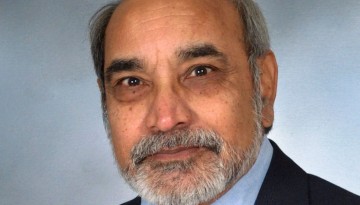
M.A. “Andy” Rao, known as one of the top food scientists in the U.S. and the world during a distinguished career that included more than three decades at Cornell AgriTech, died in July 2022 in Leesburg, Va. He was 85.
The Bruce Reisch 1976 Graduate Fellowship in Grapevine Improvement, funded by an anonymous donor, is helping horticulture doctoral candidate Hongrui Wang to safeguard the future of grape growing in New York state.
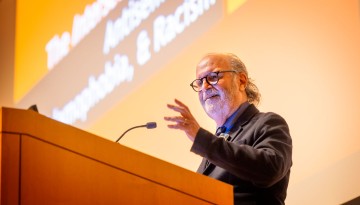
Professor Ross Brann discussed how racist depictions of the behavior and appearance of Jews and Muslims encouraged ancient peoples to view them as others in a talk held Nov. 16 in the Alice Statler Auditorium in Statler Hall.