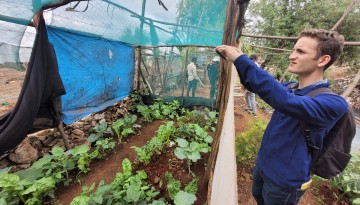
The Laidlaw Leadership and Research Program at Cornell develops students into ethical leaders and global citizens. The program, hosted by the Mario Einaudi Center for International Studies, strengthens students’ research and leadership skills over two years through work on international research projects, leadership training, participation in hands-on learning experiences, and global networking.
Journalists find themselves challenged by mistrust and polarization from both sources and audiences, according to experts at a recent panel as part of Cornell’s Freedom of Expression theme year.
In this episode of the Inclusive Excellence Podcast, Erin Sember-Chase and Toral Patel sit down with the Carl A. Kroch University Librarian at Cornell for a conversation about the critical role that libraries play in preserving the past, especially when it comes to censorship, the rise of banned books and this year’s theme – freedom of expression.
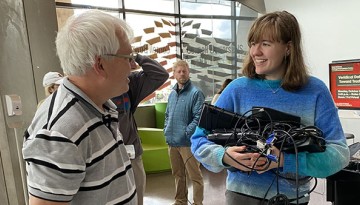
The Technology Repair Fair helped visitors repair, reuse, or recycle their old devices, while bringing attention to the environmental impacts of computing.
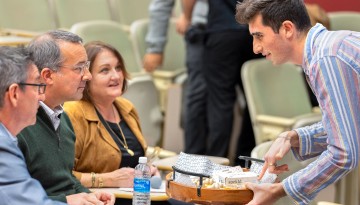
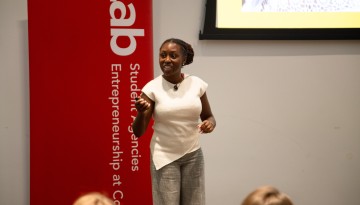
A total of 39 students in 29 teams vied for a $3,000 top prize in the eighth annual Hospitality Pitch Deck Competition, selecting three food concepts as prizewinners.
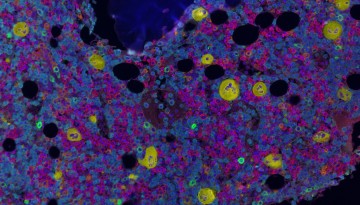
A team at Weill Cornell Medicine has mapped the location and spatial features of blood-forming cells within human bone marrow, confirming hypotheses about the anatomy of this tissue and providing a powerful new means to study diseases that affect bone marrow.
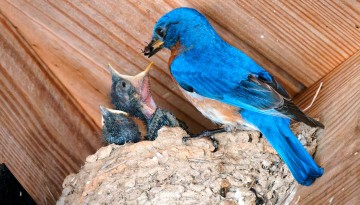
New York state agencies are encouraging hunters to choose non-lead ammunition to benefit both wild animals and humans, with help from Cornell communication and wildlife experts.
This Winter Session, students will have a rare opportunity to take Planet Rap: Where Hip-Hop Came from and Where It's Going (MUSIC 2370). Only offered during Winter Session once before, the online course is taught by Catherine Appert, an ethnomusicologist and associate professor in the College of Arts and Sciences’ Department of Music.