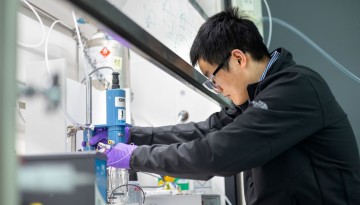
In making hydrogen a viable, clean-energy alternative to carbon-based fuels, Cornell and two research-startups have joined a consortium that aims to propose a Northeast research hub.
Upcoming Balance Festival aims to help students explore current choices and the alternatives available in a way that meets students where they are and recognizes the constraints they face.
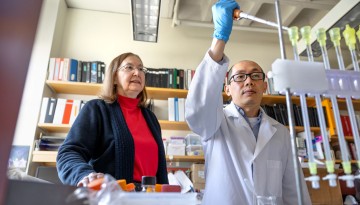
A Cornell study describes a breakthrough in the quest to improve photosynthesis in certain crops, a step toward adapting plants to rapid climate changes and increasing yields to feed a projected 9 billion people by 2050.
Peter Gregory, who for more than a decade supported cadres of international leaders through the Hubert H. Humphrey Fellowship Program at CALS, will retire June 30.
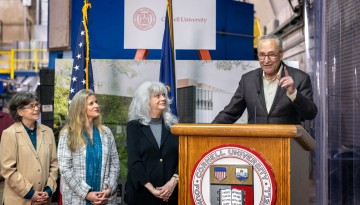
The Cornell High Energy Synchrotron Source celebrated the groundbreaking for its new $32.6 million High Magnetic Field beamline – the facility’s latest milestone.
Eleven student groups including residence halls, student organizations, and Cornell athletics teams participated in the goal-breaking Ithaca Polar Plunge in late March to support the Special Olympics of New York.
Armed drone strikes earn more public support and legitimacy when they have approval from international organizations, according to a survey conducted by Cornell researchers.
Dmitry Bykov, one of Russia’s best-known public intellectuals, is a visiting critic in the Institute for European Studies, and will be engaging with Cornell faculty and students and completing several writing projects. His satirical poems and political commentaries often take aim at President Vladimir Putin, and have gotten him in trouble.
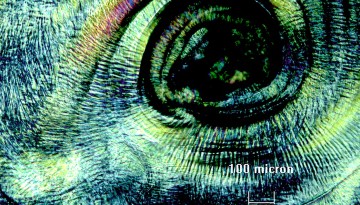
A Cornell-led project has created synthetic nanoclusters that can mimic hierarchical self-assembly all the way from the nanometer to the centimeter scale, spanning seven orders of magnitude.
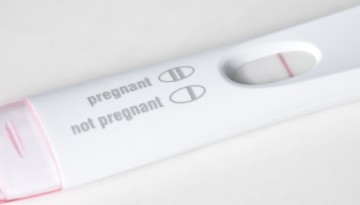
Hysteroscopic sterilization, a nonincisional procedure, was found to be as effective as minimally invasive laparoscopic sterilization in preventing pregnancy, but both methods had higher-than-expected failure rates, according to a new study led by an investigator at Weill Cornell Medicine.
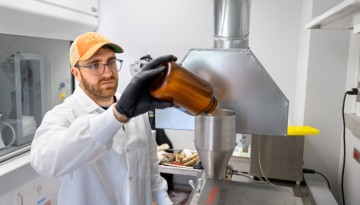
As consumers want fewer food preservatives and less plastic waste, Cornell scientists have created a bioderived polymer that helps salad dressings and beverages last longer in the fridge.
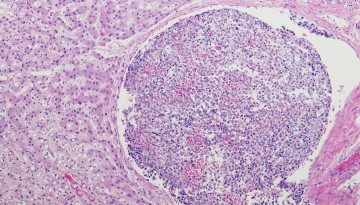
New cancer cell research opens a new avenue for understanding how tumors spread to other tissues via metastasis, and hints at novel ways to block the spread of cancer by targeting the process.