A new study shows that using large language models like ChatGPT boosts paper production, especially for non-native English speakers, but the overall increase in AI-written papers is making it harder to separate the valuable contributions from the AI slop.
The new class of weight-loss and diabetes drugs are changing not just how much American households are eating, but even precisely what they buy at a supermarket or restaurant.
AAP professor Esra Akcan’s new book examines architecture’s role as both a cause of human casualties and an agent for the public good with the potential to ameliorate traumas following conflict and crises.
A new approach, called WildCAT3D, is making it easier to visualize lifelike 3D environments from everyday photos already shared online, opening new possibilities in industries such as gaming, virtual tourism and cultural preservation.
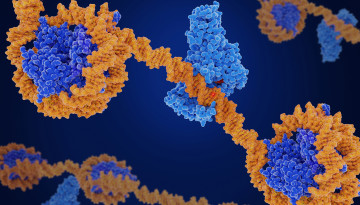
Researchers discovered that DNA packaging structures called nucleosomes, which have been traditionally seen as roadblocks for gene expression, actually help reduce torsional stress in DNA strands and facilitate genetic information decoding.
An international research expedition involving Cornell has uncovered new details as to why a 2011 earthquake northeast of Japan behaved so unusually as it lifted the seafloor and produced a tsunami that devastated coastal communities.
The Semlitz Family Sustainability Fellows program brings together MBA and early career science students to strengthen the intersection between sustainability science and business decision making.
Based on poems by A&S alumna Tsitsi Ella Jaji, M.A. ’06, Ph.D. ’08, the songs by Shawn Okpebholo bring to life individual stories preserved by the Cornell-based Freedom on the Move project.
Now divided between Romania and Ukraine, the region never fit easily among its neighbors, as regimes including the Habsburg Empire and the Soviet Union tried to remake it in their image.
Revealing how psychiatric drugs reshape the brain and designing next-generation missions to find distant worlds are among the research themes that helped faculty earn Cornell Engineering Research Excellence Awards, the college’s highest recognition for groundbreaking scientific impact.