Historian Mostafa Minawi spent seven months in Sudan, Turkey, the United Kingdom, Somalia and Djibouti, tracking down details for his new book. The most surprising thing he found, he said, was how alive that history is in some areas.
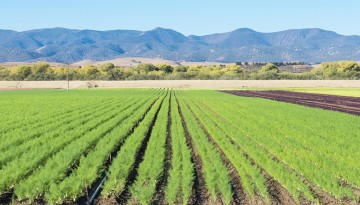
Despite higher-than-normal amounts of rain in early 2017, the large agricultural and metropolitan communities that rely on groundwater in central California experienced only a short respite from an ongoing drought.
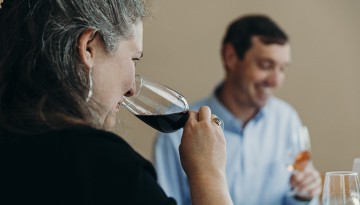
EnoCert, a new certification program offered through the Cornell Enology Extension Lab at Cornell AgriTech, helps winery employees and aspiring wine professionals grasp the nuances of this art from vine to glass.
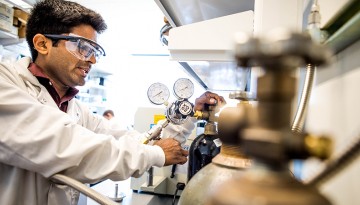
A greenhouse gas may soon get a public relations makeover, as Cornell startup Dimensional Energy has developed a way to add sunlight to carbon dioxide to create an environmentally friendly fuel.
A growing number of international cities are taking more inclusive approaches for informal workers, such as home-based workers, street vendors and the self-employed, according to Cornell-led research.
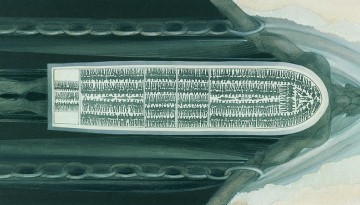
A new book by art historian Cheryl Finley studies an 18th-century slave ship schematic that became an enduring symbol of black resistance, identity and remembrance.
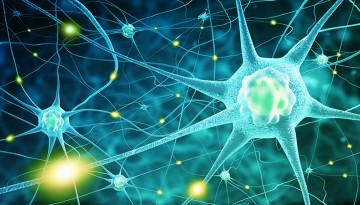
The nervous system maintains itself via phagocytes that clear out dead neuronal material, but faulty signals may actually cause healthy neurites to be destroyed, causing neurodegeneration.
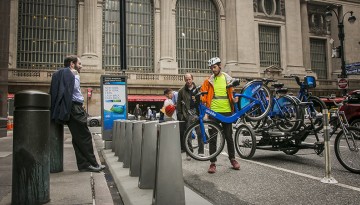
Cornell research has improved bike sharing in New York City, where a crowdsourcing system that makes real-time decisions helps make sure bikes are available when people need them.
Artificial intelligence is helping Cornell's Elephant Listening Project learn critical information about forest elephants faster, to better protect the endangered animals from poachers and other threats.