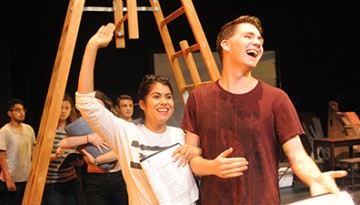
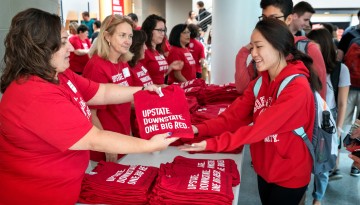
The 2017 Stephen E. Garner Day of Caring was held Sept. 13, kicking off the United Way of Tompkins County campaign. The goal for the county 2017-18 United Way campaign is $1,933,184.
Ag-Analytics, a cloud-based application that provides digital agriculture analytics, has integrated its technology with the John Deere Operations Center, the manufacturer’s online platform. Cornell is the first university to integrate with the Operations Center.
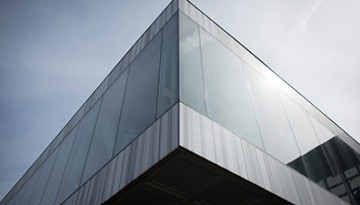
Cornell has retained its No. 1 position for the fourth consecutive year among undergraduate architecture programs nationwide in the 2018 rankings of top architecture schools.
Events this week include sustainable spaces on campus for PARK(ing) Day, the Lab of Ornithology’s Migration Celebration open house, comedian Trevor Noah in Barton Hall and “It” screenwriter Chase Palmer.
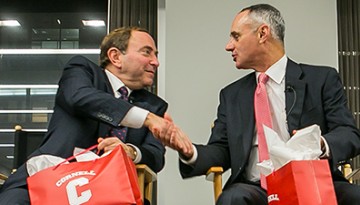
Nearly 300 Cornell alums shaping today’s sports world will gather Sept. 18 in Manhattan to discuss some of its hottest topics and to celebrate Big Red’s impact on the industry.
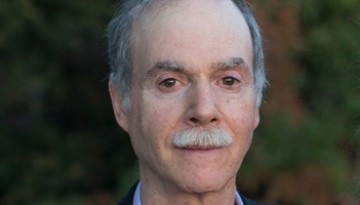
Stephen Ceci, the Helen L. Carr Professor of Developmental Psychology, will receive the American Psychological Associations’ G. Stanley Hall award in August 2018.
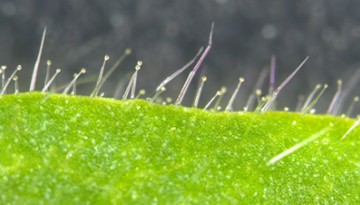
Gaurav Moghe has undertaken characterization of acylsugars, a family of compounds found only in potatoes, tomatoes and peppers, that play an important role in plant self-defense.
On the eve of the Cornell Tech campus dedication, excitement was already building as guests gathered for a cocktail hour, art tours, live musical entertainment and a celebration dinner.
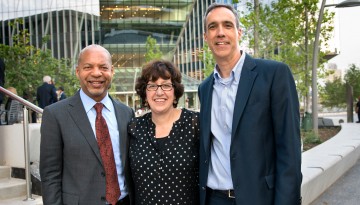
Cornell officially strengthened its already sizable New York City presence Sept. 13 with the dedication of the glittering, futuristic Cornell Tech campus on Roosevelt Island.
Far above Cayuga’s calm waters, Cornell students, faculty and staff gathered Sept. 13 to celebrate events bounded by the fast-flowing East River: The opening of the Cornell Tech campus on New York City’s Roosevelt Island.
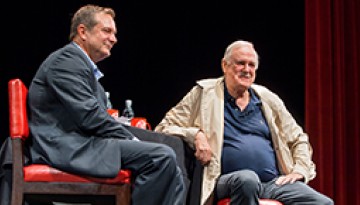
Provost’s Visiting Professor John Cleese covered a broad range of topics, from love to stupidity to money, in a public talk in Bailey Hall Sept. 11. His overarching theme: Always look on the bright side of life.
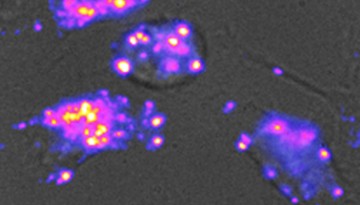
Nano-sized sensors developed by Weill Cornell Medicine and Memorial Sloan Kettering Cancer Center researchers can measure lipids, or fat molecules, in special compartments within live cells.