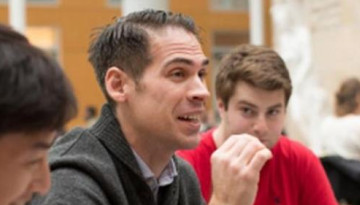
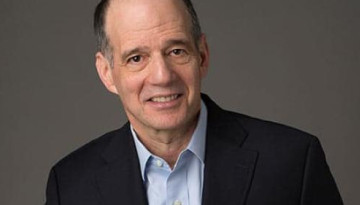
Cornell President Michael I. Kotlikoff and classics professor Mike Fontaine will discuss free speech and leadership Oct. 6 opening the Program on Freedom and Free Societies series.
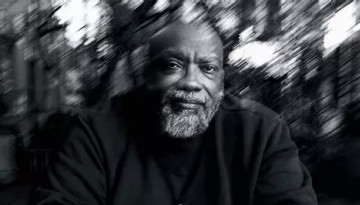
The Black Critical Thought symposium Oct. 2 will feature interdisciplinary faculty and student presentations on Black studies, culminating in a keynote conversation with cultural theorist and poet Fred Moten.
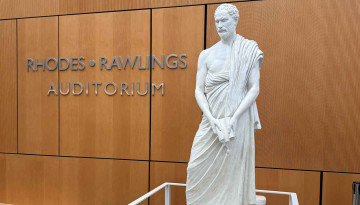
An Arts Unplugged event, “2,500 Years of Democratic Speech,” will offer a chance for students, faculty, staff and community members to perform key public speeches from antiquity and modernity on enduring questions of democratic life.
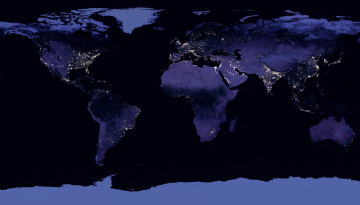
Science historian Sara B. Pritchard describes a massive spike in the amount of artificial light in the 21st century, with light pollution increasing by nearly 10% annually between 2011 and 2022.
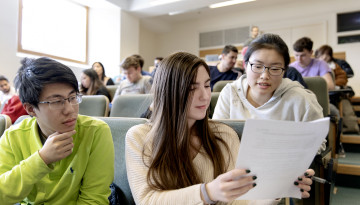
At the Center for Teaching Innovation’s Sept. 30 “What Works” event, Cornell faculty presenters and attendees will share ideas, inspirations, challenges and experiences about how to build a classroom where students feel connected and empowered.
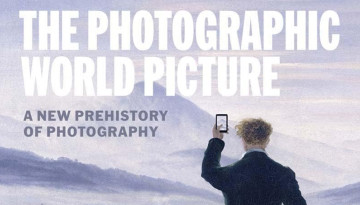
In his new book, “The Photographic World Picture: A New Prehistory of Photography,” associate professor Andrew Moisey describes how key aspects of photography’s “mechanical subjectivity” were present in early modern painting.
In his new book, “Cast Out: A Call for a Forgiving Society in an Age of Incarceration,” Joseph Margulies from the College of Arts and Sciences explores compassion and empathy, and the idea that “there is no them, there is only us.”
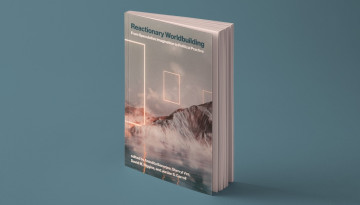
“Reactionary Worldbuilding,” a book co-edited by comparative literature scholar Anindita Banerjee, explores how speculative fiction and worldbuilding have influenced extremist ideologies and political movements.