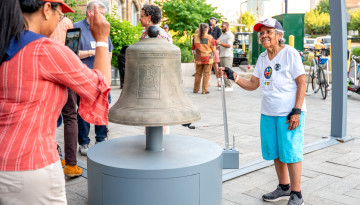
Part of Philadelphia's semiquincentennial celebrations, an interactive bell tower designed by Paul Ramírez Jonas invites visitors to reflect on the meaning of freedom.
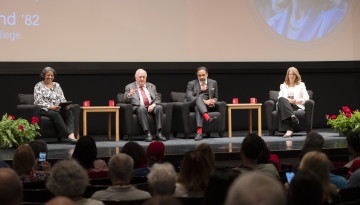
The panelists considered three key issues facing colleges and universities: rapidly advancing technology; an altered relationship with the federal government; and an erosion of public trust in higher education.
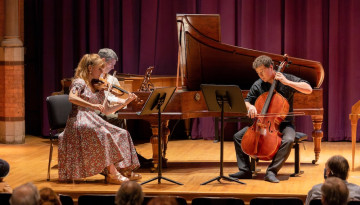
The Chamber Music Collective and Fortepiano Tech Academy highlight collaborative performance, rare repertoire, and hands-on training with eighteenth- and nineteenth-century instruments.
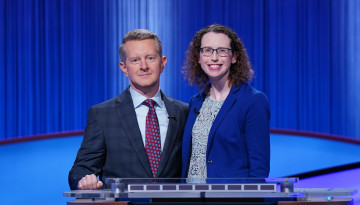
Laurel Gilmer, director of events for the Department of Music in the College of Arts and Sciences, battled against super-champion Tristan Williams on May 12 as a contestant on the TV game show “Jeopardy!”
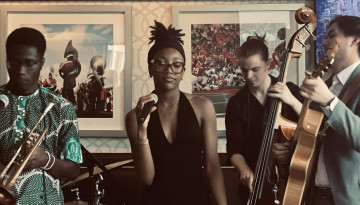
The Herbert Gussman Jazz Septet at Cornell has been recognized with a DownBeat 2026 Student Music Award in the category of Small Jazz Ensemble/Combo - College/Undergraduate Outstanding Performance