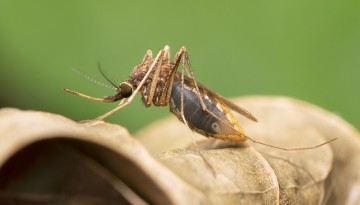
Current methods can vastly overestimate the rates that malaria parasites are multiplying in an infected person’s blood, which has important implications for determining how harmful they could be to a host, according to a new report.
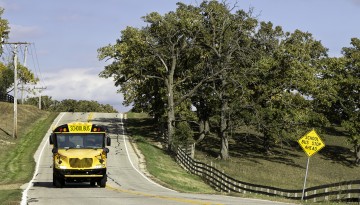
In a rural part of upstate New York, students with access to school-based health centers received more medical care and missed less school, Cornell researchers found.
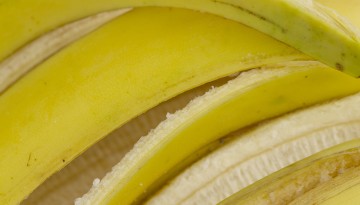
CaféNana, a banana-inspired, caffeinated pick-me-up snack, partly made with food waste by Cornell students, has won the Institute of Food Technology’s Mars Wrigley Product Development competition.
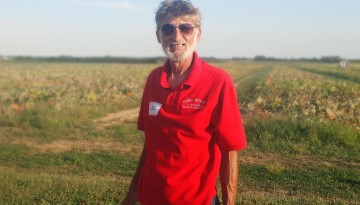
Rod Zeltmann, a field assistant at the Long Island Horticultural Research and Extension Center (LIHREC), celebrated 50 years of employment at Cornell in 2023. Colleagues describe him as reliable, dedicated, and multi-talented.
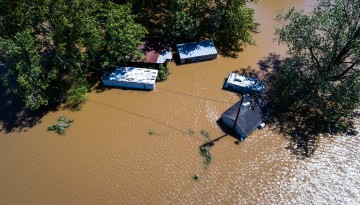
Despite broad scientific consensus that climate change has more serious consequences for some groups – particularly those already socially or economically disadvantaged – a large swath of people in the U.S. doesn’t see it that way.
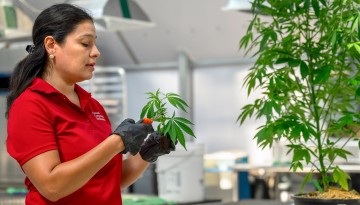
A new manual will provide guidelines for New York state growers of hemp – a crop with the potential to revitalize economies while revolutionizing industries from fiber to pharmaceuticals.
Plant biologist Laura Gunn has been awarded a Department of Energy Early Career Award to study ancient enzymes for potential use in modern photosynthesis.