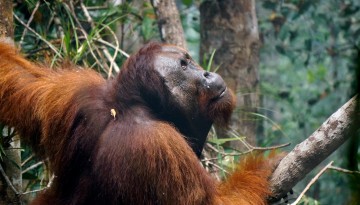
For months following peatland wildfires in Borneo, the behavior and voices of critically endangered orangutans change, according to a new study led by a researcher from the Cornell Lab of Ornithology.
The Polson Institute for Global Development announced its new Spring 2023 grants to support research at the intersection of Global Development’s signature strengths in wellbeing and inclusion; environmental sustainability; and food and nutritional security.
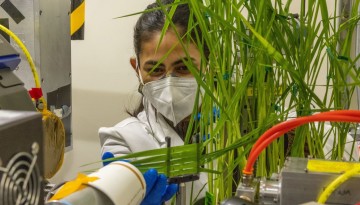
The Cornell High Energy Synchrotron Source (CHESS) is set to host the Pan American Light Sources for Agriculture conference (PALSA) July 11-14. Registration is still open.
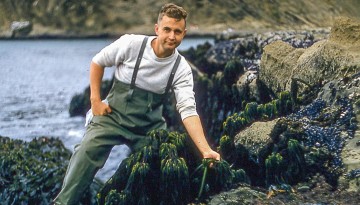
John Kingsbury, professor emeritus of botany, who developed a small island in the Gulf of Maine into an living classroom for students eager to learn about the sea, died May 27 in Vermont.
As world governments prepare the first-ever Global Stocktake, assessing whether they are living up to climate targets, Cornellians’ research is playing a critical role.
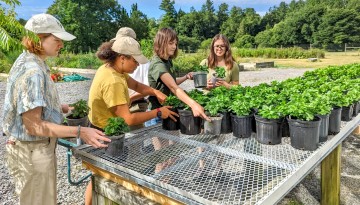
Cornell Botanic Gardens’ Learning by Leading program is an engaged learning initiative launched in 2021 to support a new generation of environmental leaders.
The smallest and shallowest bodies of water exhibit the greatest variability of greenhouse gas emissions over time, according to a paper that could help improve the accuracy of climate models.
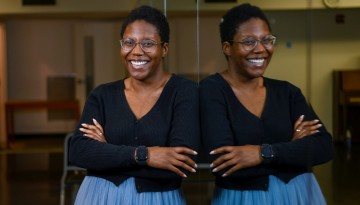
On June 2, the Ithaca theater organization Civic Ensemble will premiere “Fertile Grounds,” a community-based play that invites the audience onto a fictional farming cooperative involving people of color to explore the relationship of grief, community and wellness.
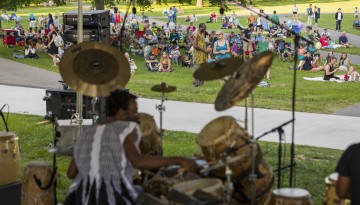
The 2023 Free Summer Events Series at Cornell will offer a fresh mix of entertainment and education open to the public. Presented by the School of Continuing Education (SCE), the events take place at 7 p.m. on select Wednesdays and Fridays, July 7 through July 28.