Summer Session, running May 31 through August 2, 2022, is open to Cornell and visiting undergraduate and graduate students, high school students and any interested adult. Undergraduates can earn up to 15 credits in on-campus, online, and off-campus courses before the fall semester.
Solving problems like climate change could require dismantling rigid academic boundaries, so that researchers of various backgrounds may collaborate through an “undisciplinary” approach.
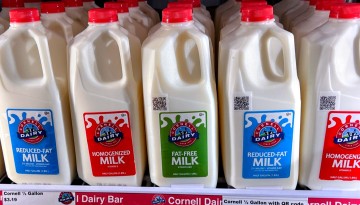
Milk carton “use-by” dates soon may be a quaint relic. A new Cornell study finds that consumers like QR codes, better depicting how long milk is drinkable – creating less food waste.
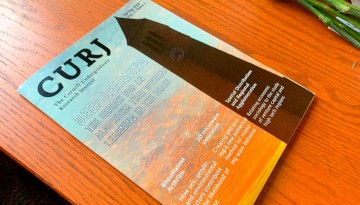
The Cornell Undergraduate Research Journal, a biannual digital and print publication, received 20 submissions for its inaugural issue. From those, the editorial board selected nine articles featuring a wide range of topics.
In Medellin, Colombia, low-income residents who lived in close proximity to new public transit stations had increased rates of mosquito-transmitted dengue fever, according to a new study.
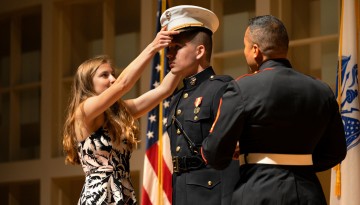
A dozen graduating ROTC seniors were among 19 members of Cornell's Tri-Service Brigade who earned commissions in the Army, Navy, Air Force and Marines during a May 27 ceremony in Alice Statler Auditorium.
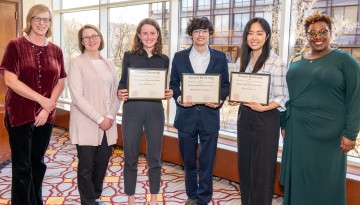
Matthew Borinshteyn ’25, Jennifer Lee ’23 and Avery MacLean ’22 received the 2022 Robinson-Appel Humanitarian Awards in recognition of their significant involvement in community service.
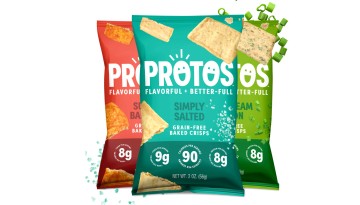
Cornell startup Antithesis Foods and Bactana were awarded NSF small-business grants, as Guard Medical raises $11 million in Series B investments and C2i launches a disease test in Europe.
Mitigation strategies must target carbon dioxide alongside other largely neglected climate pollutants in order to stay below catastrophic climate tipping points.