Landscapes surrounding farms affect insect pests, crop yields, study finds

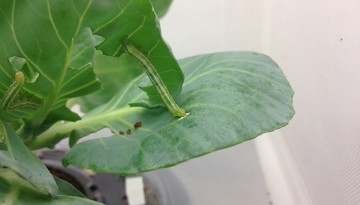
Landscapes that surround agricultural lands strongly influence the dynamics of beneficial insects as well as insect pests on farms, which in turn affect crop yields, a new study finds. 

Allred receives third annual Engaged Scholar Prize

Shorna Allred, associate professor of natural resources, is the recipient of Cornell’s third annual Engaged Scholar Prize.

Researchers weigh the tradeoffs of antimicrobial policies in dairy production

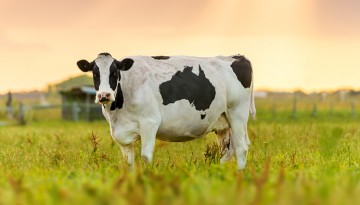
A new study shows the cost of forgoing antibiotics on dairy farms would average out to $61 per cow annually and is studying the impact such a decision would have.

Food scientist works to improve nutrition, understand gut disease

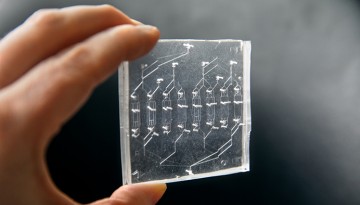
Alireza Abbaspourrad is studying a “gut-on-a-chip” to learn how food is absorbed and how gastrointestinal diseases work.

Gombas recognized for positive impact on staff

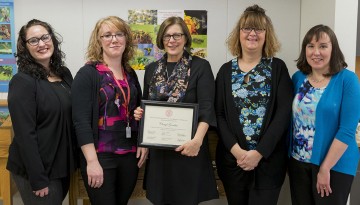
Cheryl Gombas, administrative manager in the Department of Entomology, receives the George Peter Award for Dedicated Service for her work with staff.

Staff News

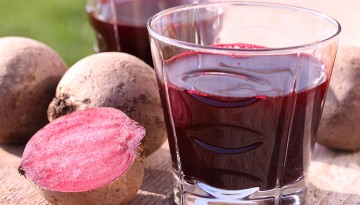
Coloring that can’t be beet: New food process replaces synthetic dyes

Cornell food scientists have discovered a way to process natural beet juice so that it maintains its bright red color and will allow food manufacturers to use it in place of synthetic dyes.

Materials, microbiomes displayed at D.C. STEM event

Scientists represented Cornell at the annual USA Science and Engineering Festival in Washington, D.C., April 7-8.

Nine faculty projects win Internationalizing the Curriculum grants

Nine projects, many multidisciplinary, are receiving grants of approximately $155,000 this year from the Office of the Vice Provost for International Affairs.

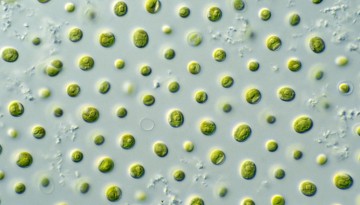
Algae-forestry, bioenergy mix may help make CO2 vanish from thin air

Scientists from Cornell, Duke and the University of Hawaii have an idea that could provide power and food protein to large regions of the world – and remove carbon dioxide from Earth’s atmosphere.