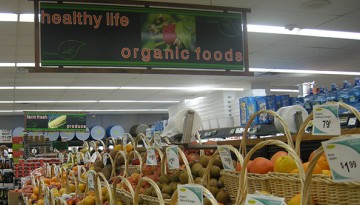
These case studies offer policymakers a better understanding of how regional food systems could bring healthier food to low-income people in the Northeast.
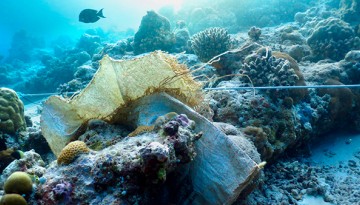
An international research group led by Cornell University has found that plastic trash – ubiquitous throughout the world’s oceans – intensifies disease for coral, adding to reef peril.
As grocery stores save energy by changing their dairy cases from fluorescent to LED lighting, Cornell researchers have found that milk – particularly fat-free milk – becomes more susceptible to off-flavors from LED light than from standard fluoresence.
Greenstar and Cornell Cooperative Extension are hosting a gathering and meal to encourage networking among local food providers and others interested in supporting food justice and food security, Jan. 31.
Two female researchers, an epidemiologist and a bacteriologist, both at the College of Veterinary Medicine, have received awards for their cutting-edge research.
Cornell economist Steven Kyle predicted the U.S. economy will continue to cruise at a steady pace of 2 percent to 2.5 percent in 2018. But an end to seven years of growth may be looming, he said.
This spring, six undergraduate students will toss away wool socks, surrender winter coats and flee the Northeast’s slushy roads to gauge ocean health along the Hawaiian and Washington state coasts.