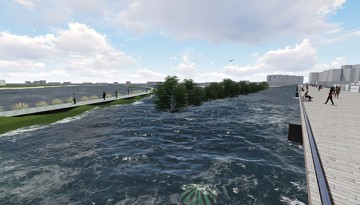
As sea levels rise, the Coney Island peninsula may become uninhabitable. Cornell landscape architecture graduate students wrestle with the island’s tenable, livable resilience as nature aims to reclaim it.
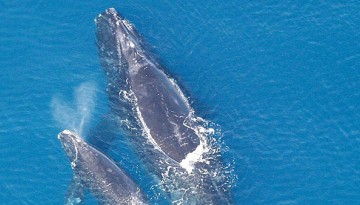
North Atlantic right whales – a highly endangered species making modest population gains in the past decade – may be imperiled by warming waters and insufficient international protection, according to a new Cornell analysis published online in Global Change Biology, Oct. 30.
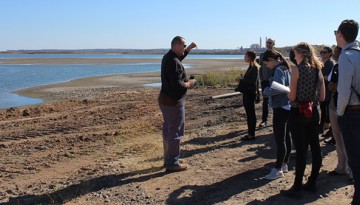
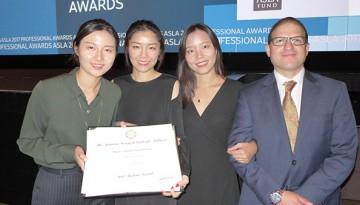
Cornell graduate students will suggest eco-friendly uses for 1.5 million cubic yards of dredged material taken from Baltimore Harbor and Maryland’s Patapsco River.
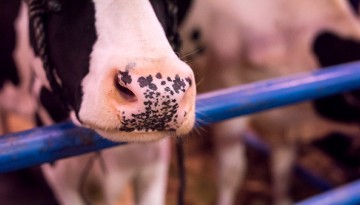
Dairy Day, a free event held twice a year by students in the Cornell University Dairy Science Club, is Nov. 3., 5:30-7:30 p.m. in the Livestock Pavilion.
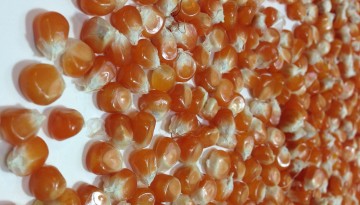
New research has identified genes that control vitamin E content in maize grain, a finding that could lead to improving the nutritional profile of this staple crop.