For decades, scientists have known that unhealthy surroundings induce human illness. Now, research suggests that communities of very sick people may damage the environment, according to a new study in PNAS, April 3.
Self-employed women working in digital creative industries, such as blogging or marketing, feel compelled to conduct business online in a traditionally feminine way, said Brooke Duffy, assistant professor of communication.
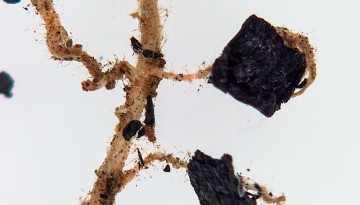
Cornell scientists have discovered a new high-definition system that allows electrons to travel through soil farther and more efficiently than previously thought, according to Nature Communication, March 31.
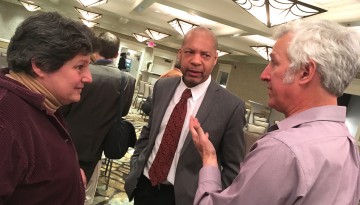
Members of Cornell's Senior Leaders Climate Action Group presented highlights of their report, 'Options for Achieving a Carbon Neutral Campus by 2035,' at a public meeting March 28 in downtown Ithaca.
Anne Kenney, the Carl A. Kroch University Librarian, was regaled with an original haiku, a performance of a rewritten Doors song, gifts and a sustained standing ovation at her retirement party March 30.
Ten faculty-led projects are receiving approximately $170,000 in Internationalizing the Cornell Curriculum grants this year, the Office of the Vice Provost for International Affairs has announced.
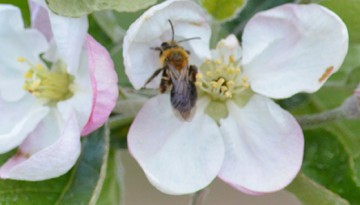
Growers who time their strawberries to bloom just after apples do, can reap a better harvest, according to new research from the lab of Bryan Danforth, professor of entomology.
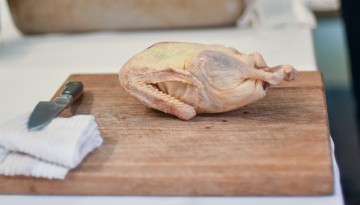
The inaugural Meat and Greet Farmer and Chef Fair held March 11 at Hobart and William Smith Colleges in Geneva, New York, sought to connect consumers with farmers. The event was co-sponsored by Cornell Cooperative Extension.