Twenty-six Cornell graduate students have won more than $42,000 in fall 2018 Research Travel Grants, which provide students up to $2,000 to conduct thesis or dissertation research.
Faculty members are exploring topics from artificial intelligence to immigration and virtual reality this fall, thanks to funding from Cornell’s Institute for the Social Sciences.
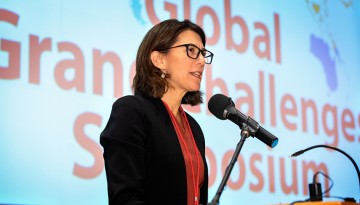
Global Grand Challenges Symposium brought together faculty, administrators and guests to discuss challenges on which Cornell should place emphasis and resources in 2019-2020.
Historians, conservationists, architects and planners will discuss the cultural, historical, design and planning issues that arise around the creation of public memorials Nov. 9-10 at the Atkinson Forum in American Studies symposium, “Place, Memory, and the Public Monument.”
Cross-campus gathering will focus on the biggest challenges facing the world, and help determine a theme on which the university will focus in the 2019-2020 academic year.
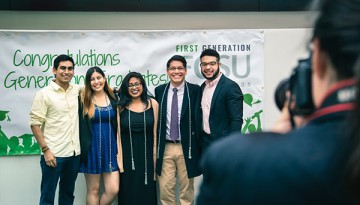
Cornell's commitment to accessibility means new and increased efforts to support first-generation students. Throughout Cornell’s history, many of its students have been the first generation in their families to earn a baccalaureate degree.
In the summer of 1985, Jeffrey Chusid was offered an opportunity that would change his life. He was teaching architecture in a summer program for high school students at the University of Southern California when a call came in; Harriet Freeman, the elderly owner of a house designed by Frank Lloyd Wright, needed a tenant.