Researchers studying the formation of the Earth’s crust and wearable technology for daily-life applications are among those at Cornell who recently received National Science Foundation Faculty Early Career Development Awards.
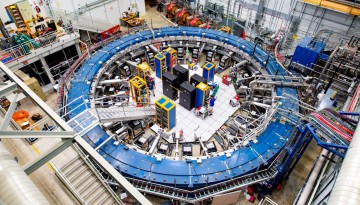
A Cornell team is playing a key role in the Muon g-2 Collaboration by designing some of the technology that captures the muon data, and helping to radically improve the precision of the measurements.
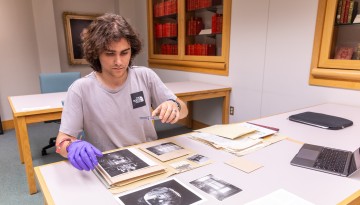
After an exciting summer of research, students from the Cornell Bowers CIS BURE program shared their results with faculty, mentors, and fellow students.
A Cornell research team has developed a new way to design complex microscale machines, one that draws inspiration from the operation of proteins and hummingbird beaks.
A cohort of 25 Mandela Washington Fellows spent the summer on campus developing their leadership and expertise, in a program they said will have enduring impact on their lives and work.
With funding from the Einhorn Center for Community Engagement, teams of Cornell faculty, staff and community partners are creating new community-engaged learning opportunities for undergraduates.