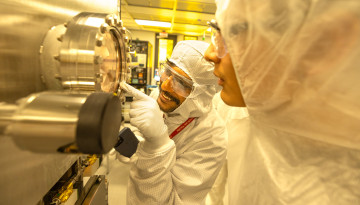
Using James Webb Space Telescope observations, Cornell astronomers show that WD 1856 b, a planet that survived its star’s death, migrated later and has methane-rich atmosphere.
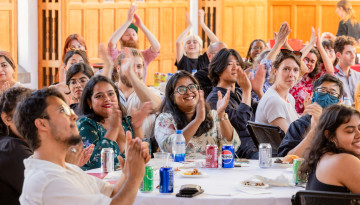
Eighteen active-duty and veteran service members visited Cornell with the nonprofit Warrior-Scholar Project, which helps military personnel pursue higher education.
As the U.S. celebrates its 250th anniversary, courses across campus educate students about democracy – what it is, how to participate in it and how to support it.
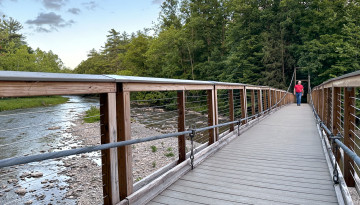
Thanks to a new civil and environmental engineering course, adjunct professor Charlie Trautmann helps students hone their engineering skills by designing and building a series of community bridges.
Americans are more willing to engage with opposing views than popular narratives about echo chambers presume, and perceived common ground can help moderate positions.