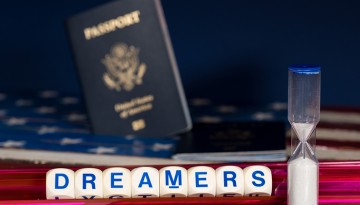
Unauthorized Mexican and Central American immigrants who came to the United States as children or teens live in more complex and less stable households than their documented or native-born counterparts, according to a new study from Cornell researchers.
A new book co-written by Janis Whitlock, a Cornell expert in adolescent self-injury, offers information, encouragement and support for parents and caretakers of children who self-injure.
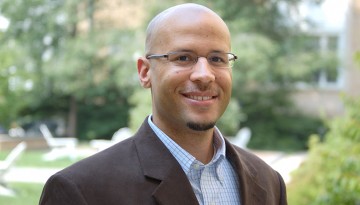
Anthony Burrow, associate professor of human development, has won Cornell’s fourth annual Engaged Scholar Prize, which recognizes a faculty member’s innovative approach to community-based scholarship.
On Jan. 2, the School of Industrial and Labor Relations’ new New York City headquarters and conference center opened in the historic General Electric building at 570 Lexington Ave. Several other Cornell colleges, units and programs will soon be using space in the building.
Parents may struggle to meet the ideal of intensive parenting – especially if they have low incomes and education levels, according to a new study by Patrick Ishizuka.
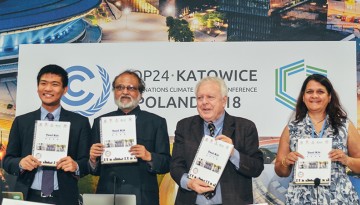
In a whirlwind of seminars, plenary sessions and corridor conversations, 17 Cornell students and six faculty attended COP24 in Katowice, Poland in December.
Cornell University researchers will collaborate on a new, five-year United States Agency for International Development flagship multi-sectoral project to combat malnutrition.
Faculty members Denise Green and Rachana Kamtekar have received support for preservation and research projects from the National Endowment for the Humanities.
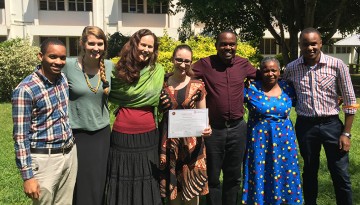
Jeanne Moseley, director of the Division of Nutritional Sciences’ Global Health Program, has been awarded the George D. Levy Faculty Award for her efforts to create exemplary, sustained community-engaged projects.