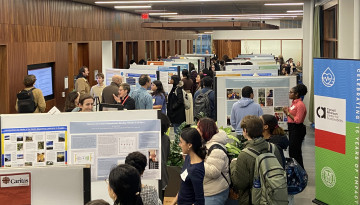
The two-year Laidlaw Scholars Program supports undergraduates as they become globally minded researchers and ethical leaders. Applications opened this week for first- and second-year students interested in joining the next cohort.
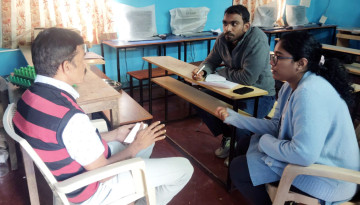
Overworked teachers in southern India have a new tool, developed by Cornell researchers, for educating their students: Shiksha Copilot, an AI system that generates culturally relevant lesson plans for schools with few resources.
Investing in cooling for Bangladesh’s apparel factories can be commercially viable, with an average payback period of one to four years, according to new research from the ILR School's Global Labor Institute.
Cornell faculty are invited to apply for Global Hubs Research Seed Grants by Oct. 14 to launch new international collaborations with researchers at Global Hubs partner universities.
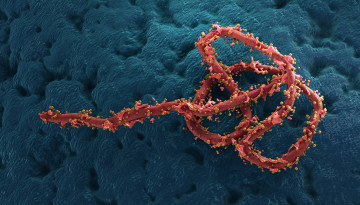
Cornell researchers have developed a portable diagnostic test that can simultaneously detect and distinguish Ebola and Lassa, two serious viruses whose early symptoms can be difficult to tell apart.
Cornell and global leaders will come together at Climate Week NYC Sept. 20-27 to discuss some of the world’s most pressing sustainability challenges, including harnessing AI’s power while mitigating its negative impacts.
New books from Cornell professors explore India’s economy, heritage forensics in the South Caucasus region, and military mobilization involving troops and defense workers during World War II.
Cornell’s To Do the Greatest Good campaign surpassed its goal of raising more than $5 billion and engaging more than 200,000 alumni – achievements that will enhance opportunities for students and accelerate critical faculty research.