Jenny Sabin and Peter Lloyd Jones demonstrate new complementary and experimental approaches to the design studio and research in their new book, “LabStudio: Design Research Between Architecture and Biology.”
Cornell researchers have taken a major step toward answering a key question in cancer research: Why is testicular cancer so responsive to chemotherapy, even after it metastasizes?
Four teams of engineering faculty and students each received up to $20,000 from the college to advance their laboratory research toward functioning prototypes.
Dairy Day, a free event held twice a year by students in the Cornell University Dairy Science Club, is Nov. 3., 5:30-7:30 p.m. in the Livestock Pavilion.
Avery August, Ph.D. ’94, chair of the Department of Microbiology and Immunology, will oversee faculty recruitment, development and advancement; department chair training; and selection of academic leadership.
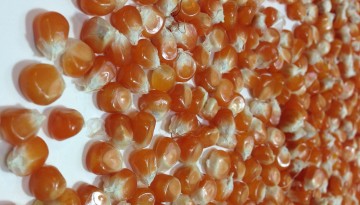
New research has identified genes that control vitamin E content in maize grain, a finding that could lead to improving the nutritional profile of this staple crop.