Many New York City eighth-graders – particularly those from underserved communities – aren’t applying to academically competitive high schools where they could succeed, according to new Cornell research.
Six new faculty members will join Cornell Tech during the coming year, bringing expertise in AI, machine learning, programming languages, and operations research.
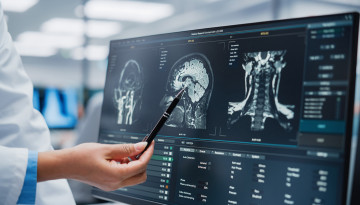
Traumatic brain injury in Pakistan is associated with a high risk of death and disability long after the initial injury, even in mild to moderate cases.
A Cornell team’s study to see how people identify and protect themselves from malicious use of their online passkeys paints a “grim picture” of people’s ability to alleviate the threat posed by such online invasions of privacy.
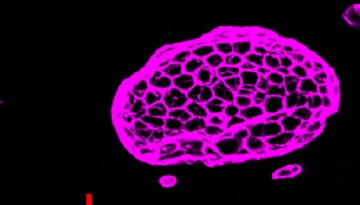
Brain-resident immune cells that have reached an old-age state called “senescence” secrete a protein that causes dysfunction in other brain cells, according to Weill Cornell Medicine researchers, a finding that could shed light on memory loss.
Researchers have uncovered how a key Parkinson’s protein shifts between inactive and active forms, revealing the structural changes that enable certain mutations to push the protein into an overactive state.
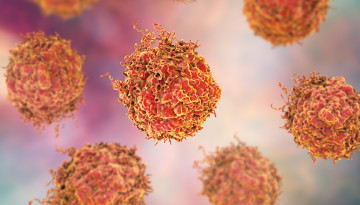
Earlier use of a targeted radionuclide therapy delays metastatic prostate cancer progression when administered as part of a trio of drugs, according to a phase 3 clinical trial.
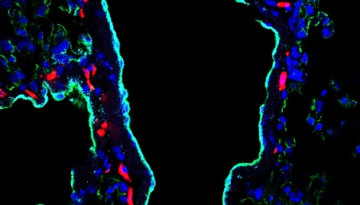
The protein makes blood vessels leakier to allow metastatic tumors to form in the lungs, according to a study led by investigators at Weill Cornell Medicine and Memorial Sloan Kettering Cancer Center.