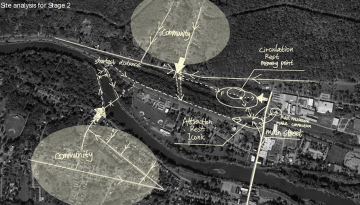
This semester, a compelling conversation across architecture, landscape architecture, and planning has been made possible through the collaborative strategies of three AAP studios focused around work in Salamanca, New York.
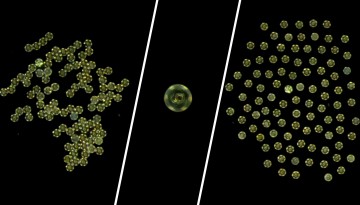
Researchers have developed collectives of microrobots - each slightly larger than a hair's width - capable of reconfiguring their swarm behavior to move in circles, bunch up into a clump, spread out like gas or form a straight line like beads on a string.
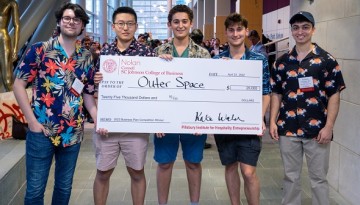
A farm-to-table styled restaurant, atop barge-decks, docked in waterfront cities and a startup aimed at providing automated robotic solutions for restaurant kitchens were among the pitches presented during the 12th Cornell Hospitality Business Plan Competition.
New initiative and accompanying web-based tool helps employers see beyond criminal records of applicants and into the skills applicants would bring to jobs.
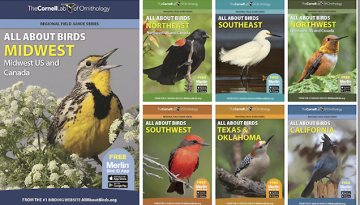
There’s a brand-new series of seven field guides to help people learn about the birds found in their region of the United States and Canada. The All About Birds Regional Field-Guide Series is built upon information from the Cornell Lab of Ornithology's All About Birds website, used by more than 20 million people each year.
The Cornell SC Johnson College of Business is partnering with eCornell to launch an online certificate in sustainable business to help managers think more holistically about the social and environmental impacts of business.
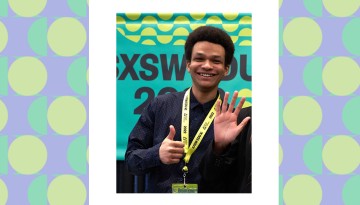
"I saw what I am capable of when I am challenged" - that's what University of Buffalo freshman Donovan Blount says about a course developed at Cornell by two professors in the Jeb E. Brooks School of Public Policy. The leader of a national education equity organization says professors Maria Fitzpatrick and Matthew Hall are "academic heroes."