At the University-Wide GET SET Teaching Conference, held in April, doctoral candidates Manasi Anand and Ellie Homant, College of Agriculture and Life Sciences, were recognized with Ye Awards for excellence in graduate teaching.
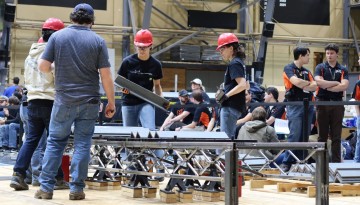
Cornell’s Steel Bridge Team excelled in the 2024 AISC competition with a 216-pound bridge that supported 2,500 pounds, placing first in lightness. Key to their success was access to the LASSP Student Machine Shop, where expert support and flexible hours enabled fast, high-quality fabrication and extra time for testing and refinement.
At the Cornell Thought Summit, Everyday AI & Mental Health: Navigating a Tipping Point, experts gathered to discuss the use of artificial intelligence to improve mental health care for patients.
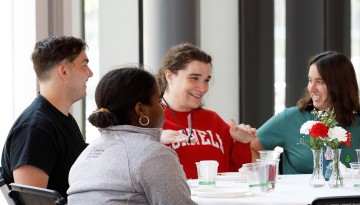
Cornell has received three grants from Interfaith America, a Chicago-based nonprofit that promotes bridge-building across religious and ideological divides.
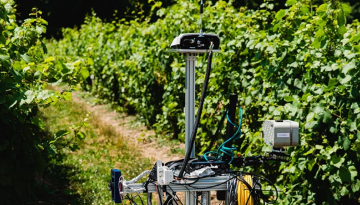
The Cornell Institute for Digital Agriculture has announced the recipients of its 2025 Research Innovation Fund faculty and student grants supporting new, cross-disciplinary projects designed to improve global food systems via digital innovation.